How Steel Frame Connections Affect the Structural Strength of a Building
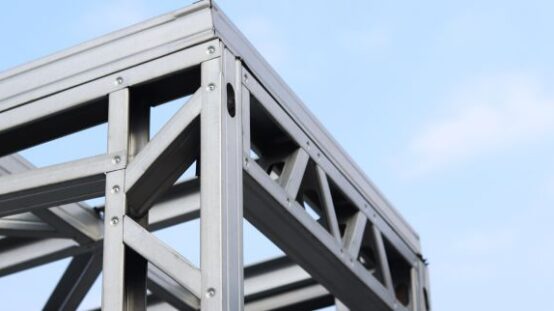
A steel-framed building depends on more than the quality or thickness of its steel members. The way individual components are joined also plays an important role in the strength, stability and long-term performance of the structure. Steel frame connections hold beams, columns, wall frames, roof trusses and other structural elements together, allowing them to work as one complete system.
When connections are properly designed and installed, they help a building carry different loads safely and transfer forces towards the foundation. However, poorly designed joints, incorrect fasteners or inaccurate installation can reduce the performance of an otherwise well-built steel structure.
For builders, architects and property developers in Perth, understanding how steel frame connections work is important when planning residential, commercial and industrial construction projects.
What Are Steel Frame Connections?
Steel frame connections are the joining points where two or more steel components meet. They are designed to keep structural members securely connected and allow forces to move between them.
For example, a connection between a steel beam and a column helps transfer the weight of the floor or roof to the supporting structure. Similarly, connections between roof trusses and wall frames help distribute roof loads across the building.
Different connections are selected depending on the building design, expected loads, steel section sizes and structural requirements.
In general, a steel connection must provide three important things:
- Strength: It must carry the forces placed on the joint without failing.
- Stiffness: It must control unwanted movement between connected members.
- Stability: It must help the overall frame maintain its intended shape and position.
The right combination of these properties helps create a reliable steel framing system.
Common Types of Steel Frame Connections
Not every steel joint performs the same function. The connection type depends on how the building is designed and how much movement or force the joint needs to handle.
1. Bolted Connections
Bolted connections use specially selected bolts, nuts and steel plates to join structural components. They are commonly used in commercial buildings, warehouses and industrial structures.
One major advantage is that many bolted connections can be assembled on-site without extensive welding. They can also make transportation and installation easier because large structural sections can be connected during construction.
However, bolt size, grade, spacing, hole position and tightening requirements must match the engineering design. Incorrect bolt installation or unsuitable components can affect the connection’s load-carrying capacity.
2. Welded Connections
Welded connections join steel components by using heat to fuse the required areas together. They are commonly used in structural steel fabrication, including beam-to-column joints and steel support assemblies.
A properly designed weld can provide a strong and continuous connection. Many welded joints are prepared in a workshop, where fabrication conditions can be controlled.
However, welding requires suitable procedures, skilled workers and appropriate inspection. Poor welding quality, incomplete welds or damage to protective coatings can affect structural performance and durability.
3. Screw-Fixed Connections
Screw-fixed connections are widely used in lightweight and cold-formed steel framing. Self-drilling screws connect steel wall studs, tracks, roof members and other framing components.
These connections are particularly important in
because cold-formed steel sections are generally thinner than conventional structural steel members.
The number, size, type and position of screws must be selected according to the design requirements. Using fewer screws than specified or placing them incorrectly can reduce the strength of the joint.
4. Plate and Bracket Connections
Steel plates, cleats, brackets and angle sections are used to connect different framing members. They help distribute forces across the joint and provide suitable support where two components meet.
For example, a steel bracket may connect a roof truss to a supporting wall frame. A connection plate may also be used to join beams and columns in a commercial structure.
The plate thickness, fastener arrangement and connection details all contribute to the overall performance of the joint.
How Steel Frame Connections Improve Structural Strength
Connections influence how the entire building responds to different forces. Their importance becomes clearer when we understand how loads move through a structure.
1. They Help Transfer Building Loads
Every building carries different types of loads. These include the weight of structural materials, furniture, equipment, people and environmental forces such as wind.
Steel frame connections provide a path for transferring these forces between connected members.
For example, the weight of a roof is transferred through roof trusses to supporting walls or columns. These loads then move through the supporting structure towards the foundation.
If a connection is not strong enough to transfer the required force, the load path may be interrupted. This can place additional stress on nearby structural components.
2. They Improve Frame Stability
A steel structure must remain stable when exposed to vertical and horizontal forces.
Connections help control how beams, columns and other members move in relation to one another. Depending on their design, some joints allow rotation while others provide greater resistance to movement.
Moment-resisting connections, for example, help transfer bending forces between beams and columns. They are often used in frames designed to resist lateral loads.
Properly designed connections work with bracing and other structural elements to reduce unwanted movement and maintain the building’s stability.
3. They Help Buildings Resist Wind Forces
Wind pressure can place significant stress on roofs, walls and supporting frames, particularly in exposed locations.
Steel frame connections help transfer these forces from roof and wall components into the main structural system and ultimately towards the foundation.
For buildings in Perth and other parts of Western Australia, wind loading should be considered during the structural design stage. Connection details must be suitable for the building’s location, shape, height and exposure conditions.
4. They Reduce the Risk of Localised Structural Failure
A connection that cannot carry its intended load may fail before the connected steel members reach their full design capacity.
For example, an incorrectly installed screw connection in a lightweight steel wall frame may experience screw pull-out or damage around the fixing point.
Similarly, an unsuitable bolted joint may experience bolt failure, plate deformation or tearing around the bolt holes.
Proper engineering design helps identify these possible failure conditions and select suitable connection details.
Factors That Affect the Performance of Steel Frame Connections
Several factors determine how well a steel connection performs throughout the building’s life.
Quality of materials: Bolts, screws, welds and connecting plates must meet the specified material and performance requirements. Using unsuitable components can weaken the joint.
Correct connection design: Every connection should be designed for the forces it is expected to carry. A connection suitable for a lightweight wall frame may not be appropriate for a large commercial beam.
Installation accuracy: Incorrect fastener positions, loose bolts, poor weld quality and misaligned steel members can affect the performance of the connection.
Corrosion protection: Moisture and environmental exposure can damage steel surfaces and connection components over time. Protective coatings and compatible fasteners help maintain durability.
Regular inspection: Checking connections during fabrication and construction helps identify installation issues before they become difficult to access.
Why Connection Design Matters in Perth Construction Projects
Perth has a wide range of construction requirements, from residential homes and holiday properties to warehouses, commercial buildings and industrial facilities.
Each project has different structural needs. For example, a residential building using lightweight
may rely on screw-fixed connections, while a large industrial building may require engineered bolted and welded connections.
Environmental conditions also need attention. Buildings near the coast may experience greater exposure to salt and moisture, making suitable corrosion protection important for steel connections and fasteners.
For commercial and industrial projects, connection design must also consider building size, equipment loads, roof spans and expected wind forces.
Working with experienced steel frame professionals and qualified structural engineers helps ensure that the framing system and its connections are suitable for the intended application.
How to Maintain Strong and Reliable Steel Frame Connections
Good connection performance starts with proper design and continues throughout fabrication, installation and building maintenance.
Here are some important practices:
- Follow approved structural drawings and connection specifications.
- Use the correct bolts, screws, plates and welding procedures.
- Check that fasteners are installed in the specified positions.
- Inspect welded joints and bolted connections where required.
- Repair damaged protective coatings using suitable systems.
- Avoid making unapproved changes to structural connections.
- Arrange professional inspections if corrosion, movement or visible connection damage is identified.
These practices help reduce avoidable construction issues and support the long-term performance of the building.
Conclusion
Steel frame connections are an essential part of a building’s structural system. They bring individual steel components together, transfer loads, support frame stability and help the structure respond to wind and other forces.
Even high-quality steel members cannot deliver their intended performance if their connections are poorly designed or incorrectly installed. That is why connection selection, engineering calculations, material quality and installation accuracy all deserve careful attention.
For residential, commercial and industrial construction in Perth, properly planned steel framing connections help create safe, stable and durable buildings. Choosing suitable steel frame solutions from the beginning can also reduce installation problems and support better construction outcomes.