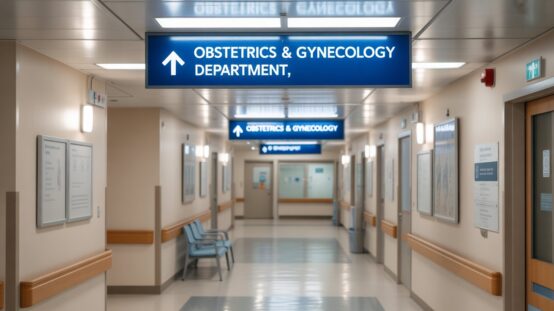
When Should Women Visit a Gynecology Specialist?
Many women are unsure about when to see a gynecology specialist. Some think they only need to visit during pregnancy, while others delay their first gynecology appointment until they face a problem. The truth is, gynecology care is important at every stage of life.
From your first gynecologist appointment as a teenager, through your childbearing years, and later during menopause, regular visits ensure your health stays on track. Whether it’s a pelvic exam, a Pap smear, or care during pregnancy, an obstetrician gynecologist (OB-GYN) helps prevent and treat issues before they become serious.
Let’s look at the most important times women should schedule a gyno appointment.
Your First Gynecologist Appointment
The first visit is often recommended between the ages of 13 and 15, or within a few years of starting periods. At this age, the visit usually focuses on:
- Learning about normal periods
- Understanding changes in the body
- Discussing safe health habits
Most young women won’t need a pelvic exam right away unless they have symptoms like pain or irregular bleeding. This visit helps build trust with the doctor so it feels easier to return when needed.
Reasons You Should Not Delay a Gynecology Appointment
1. Abnormal or Painful Periods
Severe cramps, very heavy flow, or missed cycles may point to conditions like endometriosis or PCOS. A timely examination by a specialist can bring relief.
2. Irregular Vaginal Bleeding
Bleeding between periods, after sex, or outside your normal cycle is a warning sign. This should be checked with a Pap smear or other tests.
3. Pelvic Pain
Constant pelvic pain is never normal. It may be caused by infections, fibroids, or ovarian cysts. An ob gyne specialist can suggest scans or treatment.
4. Menopause Symptoms
Hot flashes, mood changes, or night sweats are common signs. A gynecologist can guide women through these years and suggest safe treatments.
5. Breast Pain or Lumps
Any unusual breast changes need quick attention. A gynecologist may recommend a breast exam, scan, or referral.
6. Urinary Issues
Frequent urination, pain, or leakage are problems many women ignore. These may point to urinary tract infections or weak pelvic floor muscles.
7. Well Woman Exam
Every woman should schedule a yearly check-up. This includes a pelvic exam, breast check, and Pap smear. These visits help prevent serious conditions.
8. Difficulty Getting Pregnant
If you’re struggling to conceive, a gynecology appointment can help. An obstetrician gynecologist can run tests and provide fertility treatment.
9. Pain During Sex
Pain during intimacy may be linked to dryness, infections, or other conditions. A gyno appointment helps find solutions.
10. Premature or Early Menopause
Missed periods, hot flashes, or fatigue before age 40 may signal early menopause. This needs timely care to protect long-term health.
11. Vaginal Itching or Odor
Persistent itching, odor, or unusual discharge are common signs of infection. A gynecologist will perform an examination to treat the issue.
When Pregnant Women Should Visit
Routine Pregnancy Visits
Pregnant women need regular visits to monitor the baby’s growth and the mother’s health. These include scans, blood tests, and advice on diet and safety.
High-Risk Pregnancy Care
If the mother has conditions like diabetes or high blood pressure, frequent visits are important. Skilled care from an obstetrician gynecologist keeps both mother and child safe.
Other Important Times to Book a Gyno Appointment
Planning for Pregnancy
If you are thinking about becoming pregnant, schedule a check-up first. Your doctor may suggest vitamins or lifestyle changes to prepare your body.
Birth Control Guidance
Whether you want to start, stop, or change birth control, a gynecologist will explain safe and effective options.
Navigating Menopause
A gynecology specialist can help manage bone loss, mood changes, and other menopause-related issues.
Important Examinations Every Woman Needs
- Pelvic Exam: Checks for changes in the uterus, ovaries, and vagina.
- Pap Smear: Detects early cervical cancer.
- Breast Examination: Ensures early detection of lumps or unusual changes.
- Ultrasound: Used for pelvic pain, infertility, or pregnancy monitoring.
Regular check-ups help detect problems before they become serious.
How Often Should You See a Gynecologist?
- Yearly: For a well woman exam and preventive screenings
- As needed: For specific symptoms like pain or abnormal bleeding
- During pregnancy: Regular visits throughout all trimesters
Seeing the best gynecologist helps ensure you get accurate diagnosis and treatment at the right time.
Take Charge of Your Health Today
Women’s health changes at every stage of life. Regular visits to a gynecology specialist are not only for emergencies, they are a key part of preventive care.
At Sunrise Hospital, we provide complete gynecology and obstetrics care, from adolescent health and fertility treatment to safe pregnancy care and menopause management. Our team of skilled obstetrician gynecologists offers personalized support for every woman.
Your health deserves attention today. Don’t wait for symptoms to get worse book your gyno appointment and take control of your well-being.