The Ultimate Guide to Battery-Operated Toy Cars for Kids: Types, Benefits, and Safety Tips
Battery-operated toy cars have long been a favorite among children of all ages. From high-speed Remote Control (RC) drift cars to realistic ride-on SUVs, these interactive toys do much more than just entertain. They serve as valuable tools for child development, helping kids build motor skills, spatial awareness, and creative thinking.
Whether you are looking to buy a first toy car for a toddler or upgrade to a powerful 12V ride-on vehicle, this guide covers everything you need to know about battery-operated toy cars.
Key Categories of Battery-Operated Toy Cars
Not all toy cars are built the same. Depending on your child’s age and interest, here are the main types available:
1. Remote Control (RC) Cars
Controlled via radio frequencies or 2.4 GHz transmitters, RC cars are built for agility, speed, and precision.
-
Drift & Stunt Cars: Designed with omni-directional wheels, 360-degree rotation, and flipping capabilities.
-
Off-Road Rock Crawlers: Equipped with 4WD suspension systems and high-torque motors for rough outdoor terrain.
-
Scale Replica Racers: Detailed mini-models of sports cars featuring functional headlights, sound effects, and openable doors.
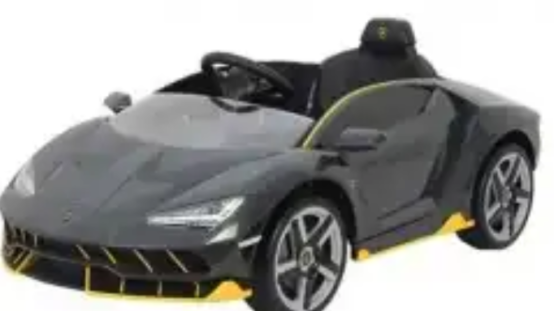
2. Kids’ Electric Ride-On Cars
Electric ride-on cars allow children to sit inside and drive manually using a pedal and steering wheel—or allow parents to take control via a wireless remote.
-
6V Ride-Ons: Best for toddlers (ages 1–3) on smooth, flat indoor surfaces.
-
12V Ride-Ons: The ideal balance of power and traction for driving on pavements, grass, and gravel.
-
24V Ride-Ons: High-power two-seater options suitable for older children and rougher off-road terrain.
3. “Bump & Go” Autonomous Cars
Designed for younger toddlers, these toys drive automatically, illuminate with colorful LED lights, play sound effects, and change direction upon colliding with obstacles.
Developmental Benefits of Battery-Operated Cars for Children
Playing with electric and remote-controlled toy cars offers several developmental advantages:
-
Enhances Hand-Eye Coordination: Navigating an RC car through obstacles requires precise visual judgment and quick reflexes.
-
Promotes Spatial Awareness: Driving a ride-on vehicle helps children understand distances, speeds, direction, and spatial orientation.
-
Encourages Outdoor Activity: High-power ride-on cars and off-road RC buggies motivate children to spend more time outdoors away from screens.
-
Fosters Imaginative Play: Role-playing as drivers, race racers, or firefighters boosts creativity and social interaction during playdates.
Important Safety and Buying Checklist
When purchasing a battery-operated toy car, consider the following key factors:
-
Safety Certifications: Always verify standard safety certifications (such as BIS, CE, or ASTM) to ensure the materials are non-toxic and durable.
-
Parental Remote Override: For ride-on vehicles, ensure the remote control has parental priority override so you can control speed and steering if needed.
-
Battery Quality & Charging: Look for modern Lithium-ion or long-lasting rechargeable batteries. Always follow recommended charging schedules to prevent battery degradation or overcharging.
-
Safety Accessories: Ride-ons should always come equipped with an adjustable seatbelt, smooth-start acceleration, and sturdy tires.
Conclusion
Battery-operated toy cars offer a perfect blend of fun, learning, and outdoor adventure for growing children. By choosing the right voltage, size, and safety features for your child’s age group, you can ensure hours of safe, active play.