Herdtracker
Planning a safari in Kenya’s Maasai Mara National Reserve is an exciting opportunity to experience some of Africa’s most remarkable wildlife. From vast herds of wildebeest to lions, elephants, cheetahs, and zebras, the reserve offers unforgettable encounters with nature. However, wildlife does not remain in one location throughout the year. Seasonal rainfall, food availability, and natural migration patterns influence where animals gather and how they move across the landscape.
Understanding these seasonal movements can help travelers make informed decisions about safari dates, accommodation, and game-drive locations. Tools and resources such as herdtracker can also be useful when researching migration patterns and preparing for a wildlife adventure.
1. Understand Seasonal Wildlife Movements
The first step in planning a successful Maasai Mara safari is understanding how seasonal changes affect wildlife. Animals move in response to environmental conditions, particularly rainfall and the availability of fresh grass and water.
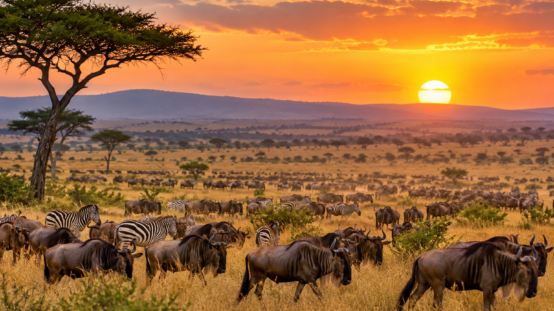
The Great Wildebeest Migration is one of the most famous wildlife events associated with the Maasai Mara. Millions of wildebeest, together with large numbers of zebras and other grazing animals, move through the wider Serengeti-Mara ecosystem in search of suitable grazing areas.
Large numbers of migratory herds commonly enter Kenya’s Maasai Mara during parts of the middle and later months of the year. However, the exact timing varies annually depending on rainfall and grazing conditions.
Travelers should remember that wildlife movements are not governed by a fixed calendar. Researching recent migration reports before departure can help establish realistic expectations.
2. Choose Your Travel Dates Carefully
Selecting the right travel dates is an important part of safari planning. If your primary goal is to witness the wildebeest migration, you may want to consider the period when herds typically move into the Maasai Mara.
The migration often attracts visitors during the dry season, when wildlife viewing conditions can be favorable. Nevertheless, animals may arrive earlier or later than expected, and some areas may experience different conditions from others.
If you are interested in resident wildlife rather than migration alone, other periods can also provide rewarding safari experiences. Lions, elephants, giraffes, buffaloes, and numerous bird species can be observed throughout the year.
Before booking, discuss your priorities with an experienced safari operator. They can help you compare seasonal conditions, accommodation options, and the likely locations of wildlife based on available information.
3. Use Herdtracker to Research Migration Updates
Researching migration information before your journey can help you understand the broader movement of wildlife across the Serengeti-Mara ecosystem. The keyword herdtracker is associated with the idea of following herd movements and migration updates, making it a useful starting point when exploring relevant wildlife information.
Before relying on any particular tracking service, verify what it actually offers. Some resources provide expert observations, photographs, reports, or estimated herd locations rather than continuous real-time tracking.
Look for recent updates that identify the general region where herds have been observed. Compare information from multiple reliable sources when possible, and ask your safari guide whether the reports reflect current conditions.
Migration information should support your planning rather than serve as a guarantee. Wildebeest can move quickly in response to rain and grazing opportunities, so yesterday’s reported location may not reflect today’s conditions.
4. Select Accommodation Near Your Safari Priorities
Where you stay can influence how much time you spend observing wildlife. The Maasai Mara includes a national reserve and surrounding conservancies, each offering different accommodation styles and wildlife experiences.
If migration viewing is your main objective, consider accommodation with convenient access to the areas where herds are currently reported or commonly expected during your travel period.
Properties near relevant wildlife-viewing areas may reduce the time needed to reach certain locations. However, no camp can guarantee that the migration will pass nearby during your stay.
Compare accommodation based on location, transport arrangements, guide experience, conservation practices, and budget. A well-positioned camp with knowledgeable guides may offer more practical advantages than choosing accommodation based solely on promotional photographs.
5. Work With Experienced Safari Guides
Local knowledge is particularly valuable when wildlife movements change from day to day. Experienced guides understand animal behavior, seasonal patterns, road conditions, and the locations where wildlife has recently been observed.
A guide can help you interpret migration updates and decide which areas to explore during morning and afternoon game drives. They may also adjust the itinerary when new information becomes available.
Flexibility is essential. Spending additional time in a promising area can sometimes be more rewarding than traveling long distances in search of a specific herd.
When choosing a safari operator, ask about guide qualifications, wildlife-viewing practices, vehicle arrangements, and how itineraries respond to changing conditions.
6. Prepare for Photography and Wildlife Viewing
A Maasai Mara safari provides excellent opportunities for wildlife photography, particularly when large herds gather on open plains. Bring binoculars, a camera with a suitable zoom lens, spare batteries, and enough memory cards for your trip.
Neutral-colored clothing, sun protection, comfortable footwear, and a lightweight jacket can make long game drives more enjoyable. Follow your guide’s advice about weather, terrain, and safety.
Patience is just as important as equipment. Wildlife behavior is unpredictable, and some of the most memorable moments happen when visitors allow animals to move naturally rather than rushing between sightings.
7. Practice Responsible Wildlife Tourism
Responsible tourism helps protect the animals and habitats that make the Maasai Mara special. Choose operators who follow reserve regulations, maintain suitable distances from wildlife, and avoid disturbing animals for photographs.
Vehicles should not block migration routes or surround animals in ways that restrict their movement. Visitors should also avoid littering and respect local communities and conservation initiatives.
Supporting responsible safari businesses helps ensure that wildlife tourism contributes positively to the long-term protection of this important ecosystem.
Conclusion
Planning a Maasai Mara safari around seasonal wildlife movements requires research, flexibility, and realistic expectations. Understanding migration patterns, selecting suitable travel dates, choosing convenient accommodation, and working with knowledgeable guides can improve your chances of a rewarding experience.
Resources related to herdtracker may help travelers explore migration information, provided their features and updates are verified.
With thoughtful preparation and responsible wildlife viewing, a Maasai Mara safari can deliver remarkable encounters with Africa’s animals, landscapes, and seasonal rhythms.
Reference
HerdTracker — Wildebeest Migration Updates