Why Preventive Healthcare Matters for Healthier Communities
Good health is not only about receiving treatment when an illness becomes serious. It also depends on identifying health risks early, adopting healthy habits and making essential medical services accessible before a crisis occurs. This is the purpose of preventive healthcare.
In many communities, people postpone routine check-ups because of travel costs, lost working hours, limited awareness or a shortage of nearby health facilities. These delays can allow manageable health conditions to become more complicated. Improving healthcare access in India therefore requires greater attention to prevention, early diagnosis and community-level health education.
What Is Preventive Healthcare?
Preventive healthcare includes activities that help prevent disease, identify health risks and reduce the likelihood of complications. It can involve routine health check-ups, vaccinations, screening, nutrition counselling, maternal care, hygiene awareness and education about chronic illnesses.
For example, regular blood pressure checks may help identify hypertension before it causes serious complications. Early screening can also help people understand their diabetes risk and seek appropriate medical advice.
Prevention does not replace medical treatment. Instead, it helps individuals and healthcare providers recognise potential problems earlier and make informed decisions about care.
Why Do People Delay Preventive Care?
Several barriers can prevent families from accessing primary healthcare services.
Financial and travel barriers
For households with limited income, a medical visit may involve transport expenses and a day away from work. Even when a consultation is affordable, the indirect costs can make it difficult to attend.
Limited awareness
Some illnesses develop gradually without obvious symptoms. People who feel healthy may not understand why routine screening is necessary.
Unequal healthcare availability
Remote villages and underserved urban communities may have limited access to clinics, diagnostic services and qualified healthcare professionals. These gaps make timely care more difficult.
Gender-related barriers
Women may prioritise the health needs of children and other family members over their own. Responsibilities at home, limited mobility and a lack of nearby services can further delay check-ups.
How Can Communities Improve Preventive Healthcare?
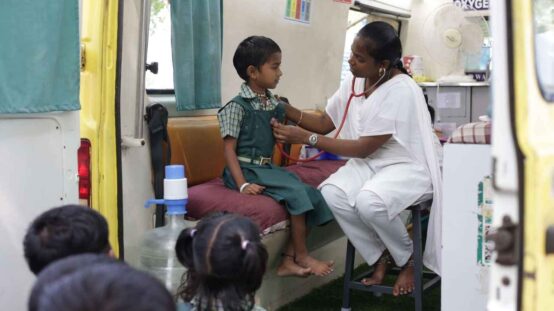
A stronger prevention system needs to bring services closer to the people who need them. Mobile healthcare units, community health camps and outreach programmes can help residents access basic consultations and screenings.
Health education is equally important. Awareness sessions on nutrition, sanitation, immunisation and early symptoms can encourage families to seek help sooner. Digital health tools may also support follow-up and communication where connectivity and access allow.
Governments, healthcare providers, NGOs and CSR partners can work together to strengthen local services, train frontline workers and improve access for underserved populations.
The Role of Smile Foundation
Smile Foundation supports community healthcare through approaches that connect medical services with awareness and outreach. Its healthcare initiatives, including Smile on Wheels, aim to reduce barriers faced by underserved communities by bringing healthcare closer to people.
Such programmes demonstrate how preventive healthcare in India can be strengthened through a combination of medical access, health education and community engagement. Early intervention becomes more effective when families understand available services and can reach them without unnecessary difficulty.
Conclusion
Preventive healthcare should be a regular part of community life rather than something people consider only when they feel unwell. Accessible screening, timely medical advice and reliable health education can help families make informed decisions and reduce avoidable health risks.
Investing in preventive healthcare, primary healthcare access and community outreach creates a stronger foundation for healthier, more resilient communities.