Lifestyle

A pair of reading glasses resting on an open book in a calm indoor setting, symbolizing the emotional acceptance of presbyopia and the message behind the blog “Reading Glasses Are Not Defeat.

Presbyopia: Reading Glasses Are Not Defeat

This blog is a continuation of my earlier blog, “Presbyopia: The Day I Realized My Eyes Were Quietly Changing.” In that article, I briefly discussed one small but emotional part of my experience – “Reading Glasses Are Not Defeat.” Later, I realized that topic itself carried a much deeper emotional story, especially for people in their thirties and forties who silently struggle with presbyopia but hesitate to accept it.

Because honestly, the problem is not always the eyes.

Sometimes, the real struggle happens inside the mind.

Why Young People Feel Ashamed of Reading Glasses

When people hear about reading glasses, they usually imagine elderly people reading newspapers with spectacles resting at the edge of their noses.

That image itself creates fear for younger people facing presbyopia.

When I started experiencing difficulty reading small letters, I never imagined I would need reading glasses so early. Somewhere inside my mind, wearing glasses felt like announcing to society:
“I am getting old.”

That thought disturbed me more than the blurry vision itself.

I know many youngsters who experience the same thing. They struggle to read messages, zoom phone screens continuously, or hold books farther away but still avoid spectacles because they fear judgment from others.

They think:

  • friends may tease them
  • relatives may say they became old
  • people may think their eyesight became weak
  • spectacles may affect personality or appearance

I had exactly the same feelings.

The Day the Eye Specialist Gave Me Glasses

As my presbyopia symptoms became more disturbing, I finally visited an eye specialist.

She checked my eyesight carefully and prescribed reading glasses. Then she said something very casually:
“Use it regularly for one or two weeks.”

For her, it was probably a simple medical suggestion.

But inside my mind, it felt like a major emotional decision.

I immediately made my own secret plan:
I would use the glasses only during work time.

Only during screen usage.

Never outside.

Never in front of people unnecessarily.

At that stage, my ego was still stronger than my comfort.

The Strange Hide and Seek with Letters

During that period, I struggled badly while reading books and newspapers.

The small blurry letters felt like they were playing hide and seek in front of my eyes.

Sometimes I adjusted the distance.
Sometimes I changed the lighting.
Sometimes I cleaned my eyes with water thinking tiredness was the problem.

Even during those uncomfortable moments, I avoided wearing my glasses for reading.

Why?

Because somewhere inside me, I feared my family members would think:
“My eyesight has become weak.”
“He is becoming old.”

Today, when I think about it, that fear sounds unnecessary. But at that time, it felt emotionally real.

That is the strange thing about presbyopia:
the emotional resistance often becomes stronger than the physical difficulty itself.

How Ego Creates More Eye Strain

After reading more about presbyopia and understanding the condition better, I slowly realized something important.

In the name of ego and unnecessary social fear, I was giving extra stress to my eyes every day.

Instead of helping my eyes, I was forcing them to struggle continuously.

The more I resisted glasses,

  • the more eye strain increased
  • the more headaches appeared
  • the more uncomfortable reading became

That realization changed my mindset completely.

I understood something simple:
Wearing glasses was not making my eyes weak.

Ignoring the problem was creating more discomfort.

The day I emotionally accepted that truth, I started wearing my glasses more naturally.

And honestly, life immediately became easier.

Reading Glasses Are Not Weakness

One dangerous misunderstanding still exists among many people.

They believe:
“If I start using reading glasses once, then I can never live without them.”

This fear prevents many people from getting proper help.

But reading glasses are not an addiction.

They are supportive.

They simply help the eyes focus more comfortably after the natural lens inside the eye loses flexibility with age.

In fact, struggling continuously without proper correction often creates more stress and frustration.

We never feel ashamed about using:

  • proper lighting
  • supportive chairs
  • comfortable shoes

Then why should we feel ashamed about helping our eyes see comfortably?

My Mother’s Experience Changed My Thinking

One of the biggest lessons came from my mother’s life.

I know her as a passionate reader. She loves:

  • books
  • newspapers
  • magazines

Reading was part of her daily happiness.

But during her forties, she also started suffering from presbyopia.

At that time, someone advised her something completely wrong:

don’t wear glasses
don’t force reading
presbyopia will automatically cure later
if glasses are used once, they become permanent forever

Believing that advice, she reduced reading slowly.

That period disappointed her deeply.

A person who genuinely loved reading suddenly stopped enjoying one of her favorite activities because of fear and misinformation.

Later, when I understood her struggle, I took her to an eye specialist.

She started wearing proper reading glasses.

Honestly, it became a small revolution in her life.

She returned to:

  • reading books
  • newspapers
  • magazines

More importantly, she returned to her favorite work – tailoring.

Today, she spends more time sewing comfortably and even earns money through her work.

That simple pair of spectacles gave back a part of her old lifestyle.

The Sewing Machine Moment That Hurt Me Emotionally

An interesting emotional moment connected both our lives together.

In my earlier blog, Presbyopia: The Day I Realized My Eyes Were Quietly Changing, I wrote about “The Sewing Machine Moment That Hurt Me Emotionally named part.”

That moment became unforgettable for me.

Earlier, I could easily help my mother thread the sewing machine needle. But during my own presbyopia stage, I suddenly struggled to see the tiny needle hole clearly.

Meanwhile, my mother calmly wore her glasses and completed the task within seconds.

The irony was painful.

I was the person who once encouraged my mother to accept spectacles without shame.

But when the same situation entered my own life, I became trapped inside the same ego, doubt, and fear.

That experience taught me how difficult self-acceptance can be sometimes.

Modern Lifestyle Makes Presbyopia More Visible

I also believe our generation experiences presbyopia differently because of digital life.

Today, we constantly use:

  • smartphones
  • laptops
  • tablets
  • televisions

Our eyes rarely rest.

Tiny app fonts, low brightness screens, and continuous close focusing make near-vision problems feel stronger than before.

Sometimes I used to take screenshots only to zoom and read clearly.

At first, I thought this was normal for everyone.

Later, I realized many people around me were reading comfortably while I was struggling silently.

Modern screens may not directly “destroy” eyesight, but they definitely make presbyopia more noticeable in daily life.

Natural Alternatives Instead of Reading Glasses

Many people ask:
“Is there any natural option instead of glasses?”

From my understanding and experience, some habits can definitely reduce strain and improve comfort:

  • better sleep
  • proper lighting
  • reducing excessive screen time
  • taking eye breaks
  • blinking more during screen use
  • healthy diet
  • outdoor activity

Some people also practice eye relaxation exercises and reduce continuous near-focus pressure.

These habits help eye comfort significantly.

But personally, I understood one important thing:
There is a difference between supporting eye health and denying reality.

Healthy habits are excellent.

But if the eyes genuinely need support for comfortable reading, there is no shame in using glasses.

One Big Lesson I Learned About Life

One important lesson changed my thinking completely.

We must understand ourselves honestly.

When our body becomes weaker in some area, we should not punish it with ego.

We should care for it more carefully.

For example:

when health becomes poor, we improve diet
when body becomes weak, we start exercise
when stress increases, we seek rest

Then why should eyes be treated differently?

Eyes also deserve:

  • care
  • support
  • rest
  • proper attention

Once I started caring for my eyes instead of emotionally fighting reality, life became more peaceful.

Acceptance Is More Powerful Than Ego

Today, I no longer feel ashamed wearing reading glasses.

In fact, I feel more frustrated remembering how much unnecessary struggle I created because of simple social fear.

Presbyopia did not make me weak.

It simply reminded me that the body changes with time.

And honestly, there is maturity in accepting that naturally.

Many people silently suffer because they fear judgment from society. But the truth is:
Most people are too busy dealing with their own insecurities to seriously judge someone wearing spectacles.

The real freedom comes when comfort becomes more important than ego.

Reading Glasses Gave Back More Than Vision

At first, I thought spectacles would symbolize aging.

But later, I realized they actually gave back:

  • comfort
  • confidence
  • reading happiness
  • eye relaxation
  • mental peace

Most importantly, they removed the daily frustration of struggling with tiny letters constantly.

Today, I understand something very clearly:

Reading glasses are not defeat.

Defeat is ignoring reality, stressing the eyes unnecessarily, and losing comfort because of fear and ego.

Sometimes maturity begins the moment we stop fighting natural changes and start supporting ourselves with kindness instead.
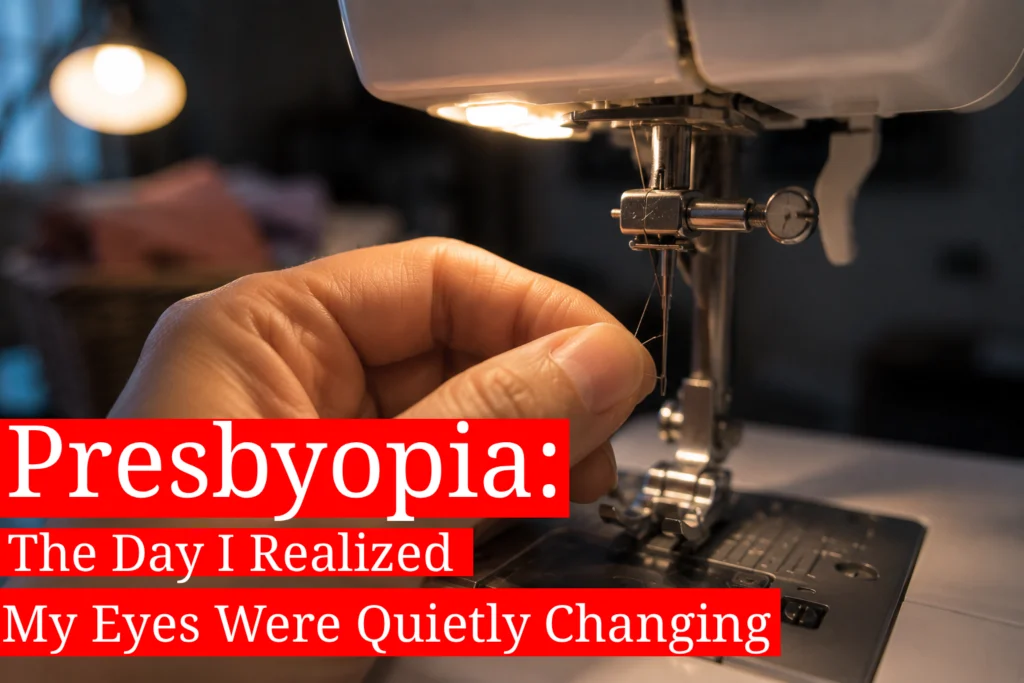

Presbyopia and Near Vision Difficulty While Threading a Sewing Machine

Presbyopia: The Day I Realized My Eyes Were Quietly Changing

There was a time when I could read anything without effort. Tiny letters on medicine covers, small fonts in newspapers, messages on my phone in low light – everything felt easy. I never thought about my eyes because they simply worked. But somewhere after my mid-thirties, I started noticing something strange.

I was holding my phone a little farther away.

At first, I ignored it. I thought maybe my eyes were tired after work or because I spent too much time on the computer. But slowly, that small habit became part of my daily life. Reading WhatsApp messages became easier only when I increased the font size. Book letters started looking crowded. Restaurant menus felt uncomfortable in dim light. I realized something had changed.

That was my first real experience with presbyopia.

The Funny Beginning Nobody Talks About

Most people think eye problems come suddenly, but presbyopia enters life very quietly. You don’t wake up one morning blind to small letters. It happens slowly. One day you stretch your arm a little more while reading. Another day you switch on brighter lights to read comfortably. Later, you start zooming in every document on your phone or laptop.

At first, I blamed mobile phones.

Like many people, I believed excessive screen use had weakened my eyesight completely. I thought years of staring at computers and phones had damaged my eyes forever. But after reading more and talking to others around my age, I understood something important – this happens naturally to almost everyone.

Some notice it at 38. Some at 42. Some even earlier.

The eye’s natural lens slowly loses flexibility with age. That flexibility is what helps us focus on nearby objects. When we are young, the eye adjusts quickly. As age increases, that focusing ability becomes weaker.

That is presbyopia.

When Screenshot Zoom Became My Reading Glass

One habit slowly became part of my daily life without me even noticing it.

Whenever I receive a document, poster, or small text image on my phone, I first take a screenshot of it. Then I zoom into the screenshot to read comfortably. Earlier, I could simply open and read things directly. Now, small text inside posters, advertisements, or PDF files often feels difficult unless I enlarge it.

At first, I thought maybe mobile designers were making fonts too tiny. But later I realized other people around me were reading the same thing comfortably while I was struggling.

That small habit – screenshotting just to zoom and read – became one of the clearest signs that my near vision had changed.


The Sewing Machine Moment That Hurt Me Emotionally

One moment affected me more than anything else.

My mother has a sewing machine at home. Earlier, whenever she needed help, I could easily put the thread into the needle. It was such a simple thing that I never even thought about it.

But nowadays, I struggle to do it.

I try once… twice… three times… and the tiny needle hole refuses to become clear. Sometimes I move the thread farther away, sometimes closer. I even blamed the room lighting and thought our bulb was too dim.

Meanwhile, my mother calmly wears her regular glasses and does it easily within seconds.

That moment honestly disappointed me emotionally.

Not because of the sewing machine itself, but because it made me realize that the problem was no longer the light, the thread, or the needle. The real issue was my eyes changing with age.

It was probably the first time I truly accepted that presbyopia had entered my life.

Modern Life Makes Us Notice It Earlier

Even though presbyopia is natural, I still believe modern digital life makes the symptoms feel stronger.

Years ago, people didn’t spend ten or twelve hours looking at close objects. Today, our eyes continuously focus on:

  • mobile screens
  • laptops
  • tablets
  • smart watches
  • televisions
  • small text notifications

Our eyes rarely get rest.

After a full day of screen work, I could feel heaviness around my eyes. Sometimes the letters became slightly blurry for a few seconds before becoming clear again. During night time, reading became even harder.

I don’t think phones directly “destroy” eyesight the way people fear, but they definitely increase eye strain and make us realize our focusing problems much earlier.

In earlier generations, maybe people noticed presbyopia only while reading newspapers. Today, we notice it every ten minutes because our entire life happens through screens.

The Emotional Side Nobody Mentions

What surprised me most was not the reading difficulty itself. It was the emotional feeling behind it.

Presbyopia quietly reminds you that your body is changing.

When you are young, your body feels automatic. You don’t think about joints, digestion, sleep quality, or eye focus. But after thirty-five, small changes begin appearing one by one. Presbyopia becomes one of those early reminders that time is moving.

The first time I increased the font size on my phone permanently, I felt strange. It sounds funny, but it honestly felt like crossing into another phase of life.

Then I noticed my friends doing the same thing.

One friend started using reading glasses in restaurants. Another began zooming every PDF file during office work. Someone else complained that medicine labels had become impossible to read.

That’s when I understood – this is not a personal weakness. It is a shared human experience.

Why Small Letters Became My Enemy

The most frustrating part of presbyopia is not blindness. It is inconsistency.

Some days my eyes feel perfectly normal. Other days, especially after long screen use, small letters become tiring within minutes.

Low light became my biggest enemy.

Earlier, I could read comfortably in dim rooms. Now I automatically search for brighter lighting. I also noticed that sleep affects eye comfort. If I sleep poorly, reading becomes harder the next day.

Another interesting thing is distance.

If the phone is too close, letters blur slightly. When I move it farther away, clarity improves. That small movement became automatic without me realizing it.

This is probably the most common sign of presbyopia:
holding things farther away to read clearly.

Reading Glasses Are Not Defeat

At first, I resisted the idea of reading glasses.

I thought:
“If I start using glasses now, my eyes will become weaker.”

Many people believe this, but I slowly learned that reading glasses are not making the eyes lazy. They are simply reducing strain.

Using proper glasses is similar to using proper lighting while reading. They help the eyes work comfortably instead of struggling continuously.

Once I accepted that idea, my mindset changed. In fact, that realization later inspired me to write my detailed blog, Presbyopia: Reading Glasses Are Not Defeat, because I understood the real struggle was not only about vision – it was also about ego, fear, and accepting natural changes in life.

There is nothing embarrassing about needing help for near vision after forty. In fact, millions of people experience exactly the same thing. Some just hide it better than others.

Now I understand why many older people carry glasses everywhere:

  • in pockets
  • on office tables
  • inside cars
  • near beds

It is not fashion. It is survival.

How Presbyopia Changed My Screen Habits

One good thing happened because of this experience: I became more conscious about eye care.

Earlier, I could spend hours continuously looking at screens without a break. Now my eyes force me to pause. Surprisingly, that improved my overall comfort.

I started following simple habits:

  • increasing font sizes
  • reducing brightness at night
  • taking short breaks
  • blinking more often
  • avoiding unnecessary screen scrolling
  • keeping proper distance from monitors

I also discovered that dry eyes play a major role. Continuous screen use reduces blinking, which creates irritation and fatigue. Sometimes the problem is not vision power itself but dryness and eye strain together.

Now I understand why older people often prefer printed books over phone reading. Paper feels softer and less aggressive to the eyes compared to bright digital screens.

The Biggest Mistake People Make

Many people panic when they notice presbyopia symptoms.

They immediately think:

“My eyesight is getting destroyed.”
“Mobile phones ruined my eyes.”
“Soon I won’t see properly.”

But presbyopia is not blindness.

It is a normal age-related focusing change.

Of course, proper eye checkups are important because sometimes other conditions like astigmatism or dryness can exist together. But simple near-vision difficulty after the late thirties is extremely common.

The real problem is not presbyopia itself.

The real problem is how modern life demands constant near focus every single day.

Humans were not designed to stare at glowing rectangles for fourteen hours daily.

What I Learned About Aging

Presbyopia taught me something bigger than eye health.

Aging does not happen suddenly. It arrives through small adjustments.

One day you need brighter light.
One day you stretch your arm farther.
One day you increase font size.
One day you buy reading glasses.

Life continues normally, but tiny changes slowly rewrite daily routines.

Instead of fearing these changes, I think acceptance makes life easier.

Our parents experienced this.
Their parents experienced it.
We are simply reaching the same stage.

The difference is that our generation experiences it through smartphones and computer screens instead of newspapers and books.

Can Presbyopia Be Cured After Some Age?

This is a question many people silently ask themselves.

I also wondered:
“Will my eyes become normal again later?”

From what I understand, presbyopia usually does not completely reverse naturally because it happens due to age-related stiffening of the eye’s natural lens. As age increases, the lens loses flexibility little by little.

That means the focusing difficulty may slowly continue over time.

But the positive side is this:
People adapt very well to it.

Some use reading glasses.
Some increase screen sizes.
Some use proper lighting.
Some choose progressive lenses.

After a while, these adjustments become part of normal life, and people stop thinking about it constantly.

So maybe the real “cure” is not becoming twenty years old again- it is learning how to live comfortably with changing eyes without fear or frustration.

The Day I Stopped Blaming the Screen and Started Understanding My Eyes

Today, I no longer feel worried when I zoom text or increase font size. I don’t consider it a weakness anymore. It is simply adaptation.

Presbyopia is not the end of sharp vision. It is just the beginning of understanding our eyes differently.

In fact, this condition taught me to respect my body more.

  • rest matters
  • lighting matters
  • screen habits matter
  • sleep matters
  • eye care matters

Most importantly, I learned that growing older is not about losing ability. It is about learning new ways to stay comfortable.

So if you are in your late thirties or forties and suddenly struggling with small letters, welcome to the club. You are not alone.

Your eyes are not failing.

They are simply changing with time – just like the rest of life.

Sobha Crescent Sector 63A: The New Standard of Luxury on Golf Course Extension Road

The skyline of Gurgaon is shifting once again, and this time, it’s toward a more refined, low-density way of living. Sobha Crescent, the latest landmark by Sobha Limited in Sector 63A, is not just another high-rise; it’s a masterclass in architectural precision and lifestyle curation.

If you’ve been searching for a home that balances the pulse of the city with the serenity of the Aravallis, here is why Sobha Crescent is capturing the attention of the city’s most discerning homebuyers.

1. Low-Density Living, High-Velocity Luxury

In a city where space is the ultimate luxury, Sobha Crescent stands apart. Spread across nearly 12 acres, the project is designed with an emphasis on openness.

  • The “Corner Home” Advantage: Every single residence is a corner apartment. This means no shared walls with neighbors, 270-degree panoramic views, and three-wall ventilation that keeps your home naturally bright and airy.
  • Privacy by Design: With only four residences per floor, the towers offer a level of exclusivity that is rare in modern high-rise developments.

2. A Landmark Address: Sector 63A

Location is the heartbeat of real estate, and Sector 63A is currently one of Gurgaon’s most promising corridors. Situated right on the Golf Course Extension Road, Sobha Crescent offers a “best of both worlds” connectivity profile:

Destination Travel Time (Approx.)
Golf Course Road 5–10 Minutes
Sohna Road 8–10 Minutes
Cyber City 20–25 Minutes
IGI Airport 30–35 Minutes

The proximity to major corporate hubs like Tata Intellion Park and Cyber City makes it an ideal choice for high-net-worth professionals who value a short commute without compromising on a peaceful residential environment.

3. World-Class Amenities & Wellness

Sobha is known for its “backward integration” model—meaning they control every aspect of construction quality. This excellence extends to the lifestyle amenities at the Crescent:

  • The Clubhouse: A massive 1 Lakh sq. ft. luxury clubhouse featuring a private mini-theatre, co-working lounges, and a Japanese-style Onsen pool for therapeutic relaxation.
  • The Sports Zone: A dedicated 4-acre sports complex featuring an Olympic-size swimming pool, professional-grade courts, and jogging trails.
  • Green Cover: Over 80% open green space including a “Restoration Forest,” bamboo groves, and themed zen gardens.

4. Investment Potential

With RERA registration (GGM/1054/786/2026) and a possession timeline aimed toward 2031, Sobha Crescent is a strong play for long-term capital appreciation. Sector 63A has seen steady price growth, and with the upcoming Metro extension and proximity to the Delhi-Mumbai Expressway, the infrastructure tailwinds are significant.

Specifications at a Glance:

  • Configurations: Ultra-luxury 3 BHK & 4 BHK + Utility residences.
  • Sizes: Ranging from ~2,277 sq. ft. to 3,000 sq. ft.
  • Price: Starting from ₹5.75 Cr* onwards.

Final Thoughts

Sobha Crescent isn’t just about owning a piece of real estate; it’s about claiming a lifestyle where the Aravalli views meet world-class craftsmanship. For those who refuse to settle for the ordinary, the “Crescent” is where your search ends.

5 Common Walking Problems (Blisters, Arch Pain, Swelling) and the Right Shoes to Fix Them

Walking is one of the simplest, healthiest, and most relaxing activities a person can do. It requires no special equipment and fits easily into daily life. But for many, walking is far from pain-free. Blisters, arch pain, swelling, plantar fasciitis, and fatigue can turn an enjoyable walk into a frustrating experience.

The culprit behind these problems is often the shoes you wear. Your feet often hurt after a long walk, but comfortable walking shoes can help relieve that pain. The right footwear doesn’t just make walking enjoyable, it protects your health and prevents long-term problems.

In this blog, we’ll explore the five most common walking problems, the shoes that help solve them, and answer key questions about finding the most comfortable footwear for your lifestyle.

Common Walking Problems and How Shoes Solve Them

1. Blisters from Poorly Fitted Shoes

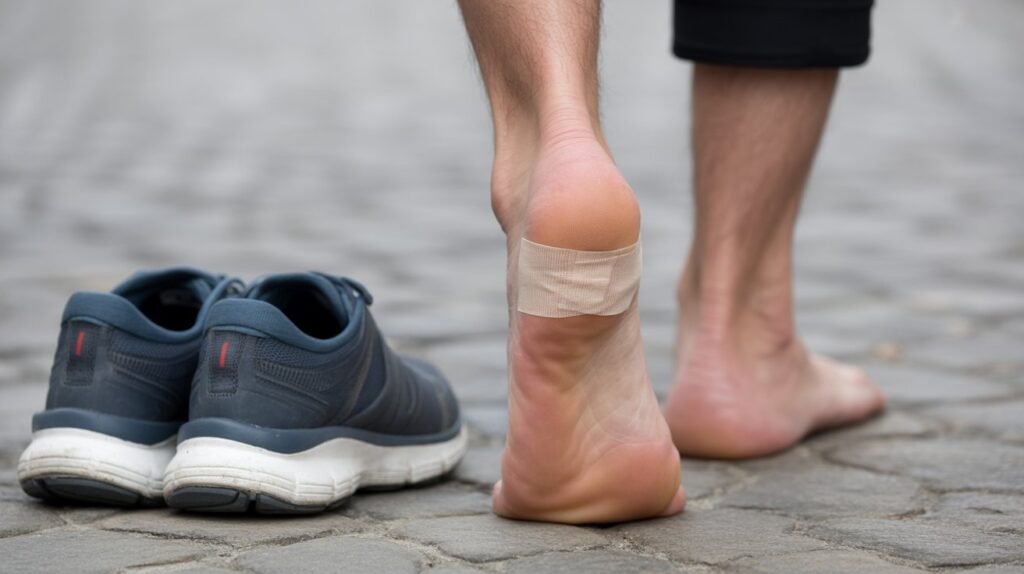
Blisters happen when your shoes rub against your skin repeatedly. Tight shoes or shoes made with non-breathable materials trap sweat and friction, leading to painful blisters.

The Solution: Look for walking trainers or casual shoes with:

  • Breathable fabrics like mesh
  • Cushioned collars to prevent rubbing
  • Moisture-wicking insoles

These features keep your feet dry and reduce friction. Shoes designed for travel and long wear are especially effective at preventing blisters.

2. Arch Pain and Flat Feet

Arch pain often affects people with flat feet or low arches. Without proper support, the foot muscles and ligaments are overstressed, leading to pain across the midfoot and sometimes even the knees and hips.

The Solution:

  • Orthopedic shoes are designed with structured arch support.
  • Asics Gel shoes and other cushioned walking shoes offer extra shock absorption.
  • Insoles with firm arch support can also help distribute pressure evenly.
  • These solutions restore alignment and prevent excessive strain.

3. Plantar Fasciitis (Heel Pain)

Plantar fasciitis is one of the most common causes of foot pain. It happens when the band of tissue connecting your heel to your toes becomes inflamed. Sharp heel pain, especially in the morning, is the biggest sign.

The Solution:

  • Running shoes with cushioned heels reduce impact.
  • Orthopedic walking shoes provide both arch and heel support.
  • Shoes with firm midsoles prevent excessive flexing that worsens inflammation.
  • Comfortable walking shoes ensure you can walk without aggravating the plantar fascia.

4. Swelling from Long Walks or Travel

Swollen feet are common during long-distance walking or traveling. Poor circulation and shoes without flexibility cause discomfort and fatigue.

The Solution:

  • Travel shoes with lightweight materials and stretchable uppers allow better circulation.
  • Walking trainers with cushioned midsoles help absorb impact.
  • Flexible outsoles prevent feet from feeling restricted.

By allowing natural movement, these shoes reduce swelling and keep you comfortable for longer walks.

5. General Fatigue and Lack of Support

Walking in unsupportive shoes like flip-flops, worn-out sneakers, or casual loafers often results in fatigue and joint pain. Over time, this stress affects your back and posture as well.

The Solution:

  • The most comfortable walking shoes have cushioned midsoles, shock absorption, and proper arch support.
  • For active walkers, walking and running shoes are best for daily use, as they are engineered to reduce stress on feet and joints.
  • Hiking shoes are ideal for rough terrain where stability is crucial.
  • Supportive footwear reduces fatigue and lets you walk with confidence.


Choosing the Right Walking Shoe for You

When it comes to walking shoes, comfort is not just a luxury, it’s a necessity. Here are a few pointers:

  • For long daily walks: Opt for walking trainers or running shoes.
  • For outdoor adventures: Choose durable hiking shoes with strong grip.
  • For office or casual wear: Casual shoes designed with ergonomic insoles provide style and comfort.
  • For medical needs: Orthopedic shoes are best for plantar fasciitis and flat feet.
  • For travel: Travel shoes with lightweight, breathable material are the perfect choice.

Frequently Asked Questions About Comfortable Walking Shoes

What makes a shoe comfortable for walking?

Cushioning, proper arch support, a secure fit, and breathable materials.

Can walking shoes help with foot pain?

Yes. The right shoes reduce stress on joints, prevent plantar fasciitis, and support flat feet.

Why is it important to wear comfortable shoes?

Uncomfortable shoes can lead to blisters, swelling, back pain, and long-term posture issues.

Which type of shoes is best for walking?

Walking trainers, orthopedic shoes, or running shoes with cushioning and arch support.

How important are good walking shoes?

They are crucial for injury prevention, posture correction, and endurance.

Which is more comfortable, sneakers or shoes?

Sneakers like walking trainers or running shoes usually provide better cushioning than casual shoes.

How can footwear affect health?

The wrong footwear can lead to foot pain, poor posture, and circulation issues.

What is the difference between walking shoes and normal shoes?

Walking shoes are designed with shock absorption, arch support, and flexibility. Normal shoes focus on style rather than comfort.

How long should you wear walking shoes?

Replace them after 500–800 km of walking or when the cushioning wears out.

Is it healthier to walk without shoes?

Barefoot walking strengthens muscles but risks injury on hard or rough surfaces.

Do shoes make a difference in walking?

Absolutely. They absorb shock, prevent pain, and improve endurance.

What are the disadvantages of walking barefoot?

Risk of cuts, infections, and stress on arches.

How do I choose the right walking shoe?

Check for arch support, cushioning, sole flexibility, and proper fit.

What are orthopedic shoes?

Specially designed shoes that support flat feet, plantar fasciitis, and other foot issues.

Is it necessary to wear shoes while walking?

Yes, for long walks or outdoors, shoes protect against injury and reduce fatigue.

Walk with Confidence

Walking should energize, not exhaust. But without the right shoes, common problems like blisters, swelling, or plantar fasciitis can make every step uncomfortable. The right footwear ensures proper support, prevents injuries, and keeps your stride pain-free.

From orthopedic shoes for plantar fasciitis to Asics Gel walking trainers and lightweight travel shoes, there’s a perfect shoe for every lifestyle. And remember walking and running shoes are best for daily use, giving you comfort, durability, and support in every step.

Don’t let foot pain hold you back. Choose the most comfortable walking shoes designed to keep your feet healthy and your walks enjoyable.

The Role of Breathable Fabrics in Designing Comfortable Walking Shoes for Men

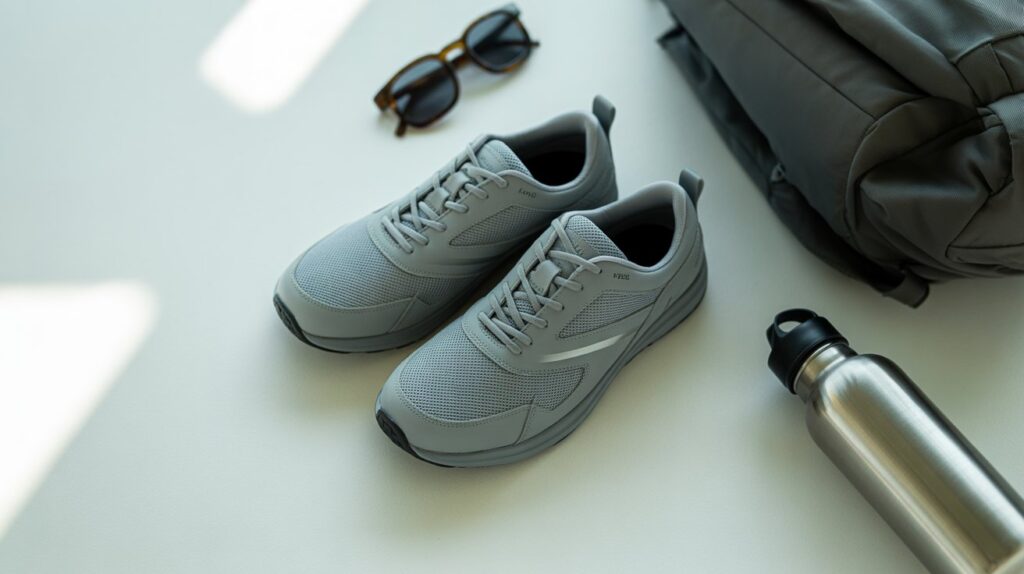
Choosing the proper footwear is crucial to remaining comfortable, particularly in places with warmer weather. This, in turn, can affect the overall day-to-day activities of an individual. Although it may seem that any sneaker or athletic shoe can be used as walking shoes, the truth is that footwear created with breathable materials provides a better walking experience in terms of comfort. This article discusses the essence of breathable textiles in men’s walking shoes and what features one should consider to have a comfortable pair of walking shoes that lasts.

What Makes Walking Shoes Different

Walking shoes are created with specific characteristics that make them unique from other sports or casual shoes. Their manufacturing process is aimed at creating stability, reliable support, and long-lasting comfort when used over a prolonged period of time. Unlike typical shoes, those crafted specifically for walking address the repetitive motion of each step while protecting feet from friction and heat build-up.

The Value of Breathable Fabrics

Breathable fabrics are lightweight materials engineered to let air move freely around the foot, minimizing sweat and dissipating heat. During a long walk, feet are prone to perspiring. If moisture is trapped, it can lead to discomfort and even cause blisters. No one enjoys the feeling of overheated or damp feet after a day of activity. These are some advantages of breathable fabrics:

  • Keeping feet consistently dry
  • Reduce skin irritation
  • Allowing feet to feel cooler even on the hottest days
  • Minimize internal moisture
  • Increase durability

Choosing comfortable walking shoes for men or women with breathable materials ensures a more pleasant walking experience, especially in warmer climates.

Essential Features of Comfortable Walking Shoes

Selecting the best walking shoes means looking beyond outward appearance. Focus should be given to features that genuinely enhance comfort and safety, such as:

Stability: Shoes should retain their shape without twisting easily, supporting each step and preventing potential injuries.

Breathable Upper Materials: Mesh and other breathable materials provide continuous airflow, which is essential for comfort in the summer.

Balanced Cushioning: Soles should provide even, soft cushioning as well as support.

Secure and Comfortable Fit: It is important to fit the shoe size correctly to avoid slipping off or too much pressure on toes and heels.

Reliable Grip: Non-slip soles offer enhanced traction and safety, whether walking indoors or outdoors.


The Everyday Benefits

With breathable walking shoes, every walk feels easier and more enjoyable. Your feet stay dry, you avoid unwanted smells, and it’s much less likely you’ll ever end the day with tired, sore feet. Here’s why this matters:

  • No more sticky or sweaty feet after a day out.
  • Fewer worries about foot odour or shoe damage from trapped moisture.
  • Less risk of injury due to supportive construction.


Conclusion

Investing in walking shoes crafted with breathable fabrics and thoughtful cushioning provides clear benefits, such as staying cool, dry, and comfortable during every walk. By focusing on these important features, anyone can enjoy greater support and reliability throughout their daily activities.

Ready to experience the difference for yourself? Explore the full collection of GADZ Walking Shoes and find the perfect pair today by visiting our website at https://gadzsports.com/collections/.