Lifestyle

Ninth Hall Jeans | Premium Styles for Everyday Wear

Jeans are an essential part of everyday fashion because they combine versatility, comfort, and timeless appeal. From relaxed weekends to casual outings, the right pair can make an outfit feel effortless while reflecting your personal style. Ninth Hall Jeans | Premium Styles for Everyday Wear explores how denim can become a foundation for contemporary streetwear, offering inspiration for building outfits that feel modern, practical, and individual.

Whether you prefer relaxed silhouettes, classic denim designs, or street-inspired combinations, choosing jeans that suit your lifestyle can make getting dressed easier. With thoughtful styling and the right wardrobe essentials, denim can work across seasons and occasions.

Discover the Appeal of Ninth Hall Jeans

Contemporary streetwear is about more than following trends. It combines personal expression with practical clothing that fits naturally into everyday routines. Jeans play an important role in this approach because they can be styled in countless ways without losing their familiar, casual character.

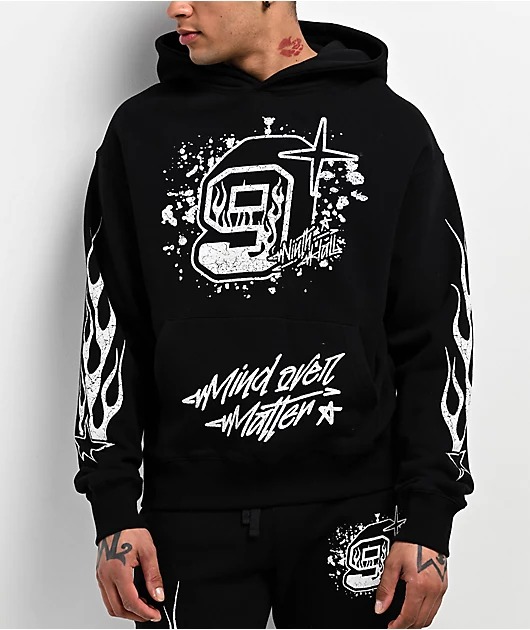
Ninth Hall-inspired denim looks fit naturally into wardrobes built around relaxed proportions, graphic tops, hoodies, and versatile footwear. The key is to choose a cut and finish that complement your preferences rather than relying on a single trend.

When exploring denim options, consider how the jeans fit at the waist, how the legs fall, and how the overall shape works with the rest of your clothing. These small details can make a noticeable difference to the final outfit.

Find a Fit That Matches Your Style

The fit of a pair of jeans influences both appearance and comfort. Understanding common denim silhouettes can help you select a style that suits your everyday needs.

Slim-Fit Jeans

Slim-fit jeans offer a cleaner outline while allowing room for movement when properly sized. They work well with simple T-shirts, lightweight jackets, and low-profile sneakers. For a balanced outfit, pair them with a slightly relaxed top.

Straight-Leg Jeans

Straight-leg denim provides a classic shape that remains easy to style. Its consistent width creates a versatile foundation for casual outfits, whether you wear a sweatshirt, button-up shirt, or graphic tee.

Relaxed-Fit Jeans

Relaxed jeans are a natural choice for Ninth Hall Pants-inspired outfits. Their roomier shape creates a laid-back appearance and pairs well with oversized tops, hoodies, and chunky sneakers. Pay attention to length and proportion so the outfit looks intentional rather than unbalanced.

Loose and Baggy Jeans

Loose denim creates a bold silhouette associated with expressive urban fashion. It works particularly well with layered tops and statement footwear. If your jeans have a generous cut, try a structured jacket or a neatly styled T-shirt to bring definition to the outfit.

Choose Denim Colors for Everyday Versatility

Color plays a major role in how frequently you can wear a pair of jeans. Selecting shades that coordinate with your existing wardrobe helps you create more outfits with fewer pieces.

Dark blue denim offers a versatile option for casual occasions. It pairs easily with white, grey, black, and earthy colors, making it useful for simple everyday combinations.

Light-wash jeans create a relaxed appearance that works especially well with spring and summer outfits. Combine them with neutral T-shirts, canvas sneakers, or a lightweight overshirt.

Black denim brings a sharper, more understated feel to streetwear. It works with monochrome outfits, graphic prints, and layered jackets. Black jeans can also transition easily from daytime activities to informal evening plans.

Faded and distressed finishes add texture and character. When wearing denim with noticeable details, consider keeping the rest of the outfit relatively simple so the overall look remains cohesive.

How to Style Ninth Hall Jeans

Building a strong outfit does not require an extensive wardrobe. A few well-chosen basics can help you create several combinations around the same pair of jeans.

Everyday Casual Outfit

For an uncomplicated daily look, combine jeans with a plain T-shirt and comfortable sneakers. Add a cap or simple crossbody bag if you want a little extra personality. This combination is easy to adapt to errands, meetups, and relaxed weekends.

Modern Streetwear Combination

For a streetwear-focused outfit, wear relaxed denim with a graphic T-shirt and an oversized hoodie. Sneakers with a substantial profile can complement the wider leg shape. Keep the colors coordinated to make the outfit feel deliberate.

Layered Urban Style

When the weather changes, layering creates depth without requiring a complete outfit change. Try jeans with a long-sleeve shirt, a zip-up hoodie, and a lightweight jacket. Different textures can make a neutral outfit more interesting.

Minimalist Denim Look

If you prefer understated fashion, choose dark or black jeans and combine them with a solid-color top. Clean footwear and a simple jacket complete the look. Minimalist styling is particularly useful when you want clothing that works across different casual settings.

Comfort and Quality Matter

Style is important, but jeans also need to feel comfortable throughout the day. A flattering design may not be the right choice if the waistband feels restrictive or the fabric limits movement.

Before choosing denim, consider the fabric composition, construction, and care instructions. Some jeans use stretch fibers for added flexibility, while others offer a more traditional denim feel. Neither option is automatically better; the best choice depends on your comfort preferences and how you plan to wear the garment.

Check the waistband, seams, pockets, and hems when evaluating a pair. Review the size guide when shopping online, since sizing can vary by cut and manufacturer. If you prefer a relaxed silhouette, avoid choosing a size solely to achieve a wider appearance. A fit designed for that shape will often provide a more balanced result.

Build a Practical Denim Wardrobe

A versatile denim collection does not need to be large. Start with one pair that suits your most common activities, then add another option with a different color or silhouette.

For example, dark straight-leg jeans can provide a dependable everyday foundation, while light-wash relaxed jeans offer a more casual alternative. If your personal style leans toward bold streetwear, a loose silhouette may become a favorite choice.

Think about the tops, jackets, and shoes you already own before purchasing another pair. Jeans that coordinate with several existing pieces are more likely to become regular wardrobe staples.

You can also extend the usefulness of your denim through seasonal styling. In warmer months, pair jeans with breathable shirts and lightweight footwear. During cooler weather, add sweatshirts, coats, and layered tops for warmth and texture.

Care Tips for Long-Lasting Denim

Proper care helps jeans maintain their appearance over time. Always follow the garment’s care label, especially when dealing with specialty washes or delicate finishes.

Wash denim when necessary rather than automatically after every wear. Turn jeans inside out before washing to help protect the outer surface, and use a suitable water temperature according to the care instructions. Avoid excessive heat when drying, as it may affect fit and fabric over time.

Store jeans neatly folded or hung in a wardrobe. If a pair develops a loose thread or a small seam issue, addressing it early can help prevent more extensive damage.

Thoughtful care makes it easier to enjoy your favorite denim while keeping it ready for regular use.

Shop Ninth Hall Jeans with Confidence

When shopping for Ninth Hall jeans, focus on the details that matter to you: silhouette, color, comfort, sizing, and versatility. Read product descriptions carefully, check available measurements, and review the seller’s return policy before placing an order.

If you are specifically looking for authentic branded clothing, purchase through a verified retailer or a recognized brand-authorized seller. Check product information and seller details rather than relying on promotional wording alone.

Choosing jeans this way helps you make a more informed decision and find denim that fits both your wardrobe and your everyday routine.

Make Everyday Style Your Own

Great everyday fashion starts with pieces that feel natural to wear and easy to combine. Jeans offer that flexibility, making them a dependable choice for people who enjoy casual clothing and contemporary streetwear.

From classic straight-leg designs to relaxed silhouettes and dark minimalist denim, different styles offer different ways to express your personality. Pair them with comfortable basics, experiment with layering, and choose colors that work with the clothes you already own.

Ninth Hall Jeans | Premium Styles for Everyday Wear is a reminder that versatile denim can form the foundation of a practical, individual wardrobe. The best pair is ultimately one that feels comfortable, suits your preferred style, and fits naturally into your daily life.

Sun, Sand, and Stunning Shots: The Ultimate Guide to Finding the Best Photographers in Aruba

You’ve booked your flights, secured that stunning ocean-view suite, and curated your perfect resort wear collection. You’re heading to Aruba, the “One Happy Island,” famous for its pristine white-sand beaches, turquoise waters, and iconic, windswept divi-divi trees.

It’s a destination that screams, “Take a picture of me!”

As you stand on the shores of Eagle Beach, the setting sun painting the sky in brilliant hues of orange, pink, and purple, you’ll undoubtedly reach for your smartphone. But let’s be honest: selfies can only do so much. And asking a well-meaning stranger to snap a quick photo often results in a blurry, poorly composed shot that doesn’t do the scenery—or your experience justice.

Your vacation is an investment of both time and hard-earned money. To truly preserve the magic of your escape to the Dutch Caribbean, the most valuable addition to your itinerary isn’t another excursion or a fancy dinner; it’s hiring one of the professional Photographers in Aruba.

In this comprehensive guide, we’ll explore why a professional photoshoot in Aruba is a non-negotiable luxury, the different styles of photography available on the island, and how to select the perfect artist to turn your vacation snapshots into timeless works of art.

Why Aruba is the Ultimate Backdrop for Photography

Aruba is a visual paradise unlike any other in the Caribbean. While many islands offer lush jungles, Aruba’s unique arid climate and dramatic coastline create a striking contrast that looks incredible on camera.

The Iconic Beaches

Aruba is home to some of the world’s best beaches. Eagle Beach offers soft, powdery white sand and gentle waves. Palm Beach provides a vibrant, resort-focused backdrop. Baby Beach, located on the southern tip, is a calm, shallow lagoon perfect for families. An experienced Aruba photographer knows exactly which beach suits your aesthetic and at what time of day the light hits perfectly.

The Legendary Light

There is a specific, almost magical quality to the light in Aruba. Because of its location outside the hurricane belt, the island enjoys consistent, brilliant sunshine and dramatic, unobstructed sunsets. A skilled photographer understands how to harness this “golden hour” light to create a warm, ethereal glow in your images that no smartphone filter can replicate.

Diverse Landscapes

Beyond the beaches, Aruba offers a variety of textures and colors. The rugged, moon-like terrain of Arikok National Park provides an adventurous, bohemian backdrop. The colorful, colonial architecture of Oranjestad offers a vibrant, urban setting. And, of course, the perpetually windswept divi-divi trees are a symbol of the island that must be featured in your album.

Types of Professional Photography Services in Aruba

Whether you are traveling solo, as a couple, or with an extended family, there is a photography style tailored to your needs.

Aruba Vacation & Family Portraits

This is the most popular category. A vacation portrait session is more than just standing and smiling at a camera; it’s a guided experience designed to capture genuine emotion and connection against the stunning backdrop of the island.

Couples and Honeymooners: Aruba is one of the world’s top honeymoon destinations. A professional couples shoot—perhaps a romantic sunset walk along the shore—is a beautiful way to celebrate your new beginning.

Family Vacations: Coordinating an extended family photo session can be stressful at home. On vacation, everyone is relaxed and happy. A professional photographer can manage large groups and wrangle children to create a cohesive set of images that you will treasure as the kids grow up. It’s a souvenir that will never break and never go out of style.

Aruba Wedding Photography

Your destination wedding in Aruba deserves world-class documentation. While many resorts offer in-house photography packages, hiring an independent, specialized Aruba wedding photographer often provides a higher level of artistry, customization, and dedication.

Local wedding photographers know the island inside and out. They know secret, off-the-beaten-path spots for intimate “first look” photos away from the resort crowds. They also understand the island’s unique weather patterns and lighting conditions, ensuring your ceremony and reception photos are flawless.

Aruba Engagement Proposals

Planning to pop the question on One Happy Island? Hiring a proposal photographer ensures that the pivotal moment is captured forever without you having to worry about fumbling with a phone. The photographer will stage the perfect location, capture the surprise, and then immediately transition into an engagement portrait session.

Aerial and Drone Photography

Aruba’s coastline is spectacular from above. If you are staying at a luxury villa or want a unique perspective of your resort, consider hiring an aerial photographer or a drone operator. These shots provide a breathtaking sense of scale and place that ground-level photography cannot achieve.

How to Choose the Right Photographer for You

Because Aruba is a popular destination, there is a wide selection of photographers available. To ensure you get the results you want, follow these key steps in your selection process.

Review Portfolios (Not Just Instagram)

Look beyond a few standout shots on social media. Ask to see full galleries from past client sessions. This will show you:

  • Consistency: Can they maintain quality and style across an entire 60-minute shoot?

  • Editing Style: Do you prefer “light and airy,” “dark and moody,” or vibrant and true-to-life colors? Make sure their aesthetic matches your vision.

  • Handling of Light: Are their sunset photos properly exposed, with the couple still visible and not silhouetted against a blown-out sun?

Read Recent Client Reviews

Look for testimonials that mention more than just the final photos. Were they communicative in the planning process? Did they make you feel comfortable and relaxed during the shoot? Were they familiar with the specific beach or location you requested?

Consider Local Knowledge

An expat or local photographer who has lived and worked on the island for years possesses invaluable knowledge. They know which beaches are least crowded at sunset, where to find the best parking for remote locations, and how to work with the island’s persistent trade winds to create flattering, natural-looking hair in your photos rather than a chaotic mess.

Understand the Package and Pricing

Don’t just look at the session fee. Clarify what is included:

  • How many high-resolution, edited digital images will you receive?

  • How long is the session?

  • Do they include print rights, or are you required to purchase prints through them?

  • What is their policy in case of inclement weather? (While rare in Aruba, rain does happen).

Conclusion: Your Investment in Memories with G 10 Studio

Your vacation to Aruba is more than just a trip; it’s an experience of a lifetime. It’s an escape into a world of sun, sand, and serenity. While the tan lines will fade and the sand from your shoes will eventually be swept away, the photographs from your trip will serve as a permanent portal back to that moment of joy and connection.

Do not leave the preservation of these precious memories to chance. Hiring a professional Aruba photographer is not just an expense; it is an investment in your own history. It is a commitment to capturing the laughter, the love, and the unparalleled beauty of your island escape.

For those seeking an unparalleled level of artistry, professionalism, and local insight, look no further than G 10 Studio. At G 10 Studio, we specialize in turning vacation moments into cinematic masterpieces. Our team of expert photographers combines a passion for storytelling with a deep love for the unique landscape of Aruba. Don’t let your memories drift away like the tide; let G 10 Studio capture your paradise. Book your session today and take home the best souvenir of all: a timeless collection of your happiest moments.

Problems With Embroidery Design Outlines: Expert Troubleshooting

Problems With Embroidery Design Outlines: Expert Troubleshooting

You pull a finished design off your machine and everything looks great, except the outline. It has shifted to one side. Or it looks jagged where it should be smooth. Or the fabric puckers around the edges. If this sounds familiar, you are not alone. Problems With Embroidery Design Outlines are one of the most common frustrations in machine embroidery. They ruin otherwise beautiful work, and they often stem from causes that are not obvious at first glance.

The good news is that most outline issues have clear causes and clear fixes. This guide walks through what goes wrong, why it happens, and how to solve each problem for good.

Why Outlines Cause So Much Trouble

An outline, also called a border or edge, defines the boundary of a design. It is usually the first thing the eye notices. When it looks clean, the whole design looks professional. When it looks off, nothing else matters.

Outlines are tricky because they sit at the edge of a design. They interact with fills, fabric stretch, and stabilizer in ways that interior stitches do not. That makes them more sensitive to small mistakes.

Problem One: Outlines Misalign With Fills

This is the most common complaint, and it is also the most annoying. The outline stitches slightly off from where it should be, leaving a gap or overlapping the fill.

Cause: Fabric Pull

Fabric stretches slightly when it is stitched. If the fill goes down first, the fabric pulls inward. By the time the outline stitches, the design has shifted.

Cause: Wrong Stitch Order

If your outline stitches before the fill, the fill can push the outline out of place. The correct order is usually fill first, then outline.

Cause: Loose Hooping

If the fabric is not hooped tightly enough, it shifts during stitching. This throws off the alignment between fill and outline.

The Fix

Apply pull compensation in your digitizing software. Slightly enlarge the fill so it compensates for movement. Check your stitch order and make sure outlines come last. Re-hoop with proper tension so the fabric stays taut without stretching.

Problem Two: Outlines Look Jagged

Smooth curves are the mark of a well-digitized design. Jagged outlines look amateurish and cheap.

Cause: Poor Digitizing

Auto-digitizing tools often produce jagged edges because they trace images without understanding stitch direction.

Cause: Wrong Stitch Type

Using the wrong stitch type for a curve makes it look rough. A run stitch that is too thin will not cover properly. A satin stitch that is too wide can wobble.

Cause: Density Issues

If the outline is too dense, stitches pile up and create bumps. If it is too light, the fabric shows through.

The Fix

Use a professional digitizer who manually places stitches for smooth curves. Match the stitch type to the shape. Adjust density settings based on your fabric and thread weight.

Problem Three: Outlines Cause Puckering

Puckering is when the fabric ripples around the stitched area. It is especially common with outlines because they add density to the edge of a design.

Cause: Too Much Density

Outlines with too many stitches per inch push the fabric outward. The result is rippling.

Cause: Missing or Wrong Underlay

Underlay is the foundation beneath the visible stitches. It stabilizes the fabric before the top stitches go down. Skip it and the fabric moves.

Cause: Wrong Stabilizer

Using the wrong stabilizer is a recipe for puckering. Too light and the fabric shifts. Too heavy and the design looks stiff.

The Fix

Reduce density and add a proper underlay. Match your stabilizer to your fabric. Knits need cut-away. Wovens can use tear-away. Always test on scrap fabric first.

Problem Four: Outlines Break Thread

Thread breaks during outline stitching are frustrating and time-consuming. Here is what causes them.

  • Wrong needle size for the thread weight

  • Poor thread quality that snaps easily

  • Density that is too tight for the needle to pass through

  • Tension that is too tight or too loose

  • A bent or dull needle

The Fix

Check your needle, thread, and tension before every project. Replace needles every eight to ten hours of stitching. Use quality thread that matches your needle size.

Problem Five: Outlines Do Not Match the Design

Sometimes the outline stitches fine, but it does not match the style of the rest of the design. It looks too thick, too thin, or out of proportion.

Cause: Poor Planning

This usually happens when the outline is an afterthought. The digitizer focuses on the fill and adds a border without considering balance.

The Fix

Plan the outline as part of the design from the start. Match the outline weight to the fill style. A delicate design needs a thin outline. A bold design can handle a heavier one.

How to Prevent Outline Problems Before They Happen

Prevention beats troubleshooting every time. Here is how to avoid outline issues from the start.

  1. Start with quality digitizing from a professional

  2. Use the right stabilizer for your fabric type

  3. Hoop properly with even tension

  4. Apply pull compensation in your file

  5. Test stitch on scrap fabric before production

  6. Check stitch order so outlines come after fills

  7. Replace needles regularly to avoid breaks

When to Call in a Professional

Sometimes no matter what you try, outline problems persist. This happens most often with complex designs, intricate logos, or very small text.

If you are spending hours tweaking and still not happy, it might be time to call in the experts. At Absolute Digitizing, we specialize in creating stitch files with flawless outlines. Every stitch is placed with intention so your design looks clean from edge to edge.

Conclusion

Problems with embroidery design outlines are frustrating, but they are almost always fixable. The key is understanding what is causing them.

Remember the main culprits. Misalignment comes from fabric pull or wrong stitch order. Jagged edges come from poor digitizing or wrong stitch type. Puckering comes from too much density or missing underlay. Thread breaks come from needle, thread, or tension issues.

Fix these and your outlines will look sharp, smooth, and professional. And if you need a hand, Absolute Digitizing is just a click away.

FAQs

1. Why does my embroidery outline not line up with the fill?

Misalignment usually comes from fabric pull during stitching. The fill pulls the fabric inward, so the outline stitches off target. Apply pull compensation in your digitizing software to fix this.

2. How do I stop my embroidery outlines from puckering?

Puckering is usually caused by too much density or a missing underlay. Reduce stitch density, add a proper underlay, and make sure you are using the right stabilizer for your fabric.

3. What stitch type is best for embroidery outlines?

Satin stitch is the most common choice because it creates a smooth, solid edge. Run stitches work for delicate lines, and decorative stitches can add texture.

4. Why does my machine keep breaking thread during outline stitching?

Thread breaks are often caused by the wrong needle size, poor thread quality, too much density, or incorrect tension. Check all of these before starting your project.

5. Can Absolute Digitizing fix outline problems in my design?

Yes. Absolute Digitizing creates embroidery files with clean, precise outlines. Our digitizers manually adjust stitch order, density, and pull compensation to ensure your design looks perfect from edge to edge.

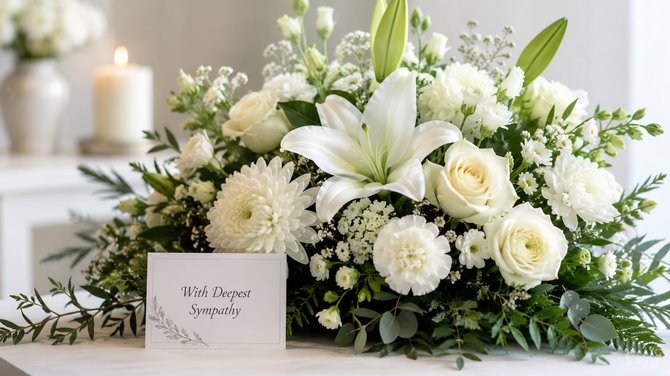
What Happens To Sympathy Flowers After The Service Ends

Nobody really plans for the day after.

All the focus goes into the service itself and rightly so. But then the guests leave and the chapel empties out and suddenly there’s a room full of sympathy flowers that somebody has to actually do something with. We get this question a lot from families in the days right after a funeral and honestly it’s one we love talking through because there are more good options than most people realize in the moment.

Grief takes up so much space in those first few days that practical questions like this one often get pushed aside entirely. Then a week passes and there’s suddenly a pile of wilting arrangements nobody has the energy to deal with and it becomes one more small stressor on top of everything else already happening.

Donating Arrangements Somewhere They’ll Still Be Loved

This is genuinely one of our favourite suggestions and families are often surprised it’s even an option. Hospitals nursing homes and palliative care wards will frequently accept fresh floral tributes the day after a service provided the flowers are still in reasonable condition. Some funeral homes here in Melbourne actually have existing arrangements with local aged care facilities specifically for this purpose so it’s always worth asking the funeral director directly rather than assuming it isn’t allowed.

It’s a lovely thought honestly. Flowers that carried one family through a hard day get to bring a bit of brightness to a hospital room or a shared lounge somewhere else entirely. Nothing about grief gets easier by doing this but it does mean the flowers keep doing something useful rather than just ending up in a bin a few days later.

Pressing And Drying For A Keepsake

A lot of families choose to keep one or two stems from the main tribute rather than the whole arrangement. Pressing a single flower between the pages of a heavy book works surprisingly well and costs nothing at all. Air drying works too if you hang a small bunch upside down somewhere dark and dry for a couple of weeks. Some people go further and have a professional preserve a full stem in resin so it becomes something permanent sitting on a shelf rather than something that eventually turns to dust in a drawer.

We had a customer last year bring back a single rose from her fathers funeral asking if we could help preserve it properly. It’s sitting framed on her mantelpiece now next to a photo from his sixtieth birthday. She told us it means more to her than almost anything else in that room. That’s the kind of thing that sticks with you doing this job.

Composting Instead Of Binning

If keeping anything feels like too much and donating isn’t practical composting is honestly the better environmental choice over throwing arrangements straight into general waste. Most councils across Melbourne accept flowers in green waste bins and if you have a home compost even better. It’s a small quiet way of letting something meaningful return to the ground rather than sitting in landfill which feels oddly fitting for a lot of families when they think about it that way.

Talking To The Funeral Home Early

If you know in advance that donating flowers is something you’d like to arrange it’s worth mentioning to the funeral director before the service rather than scrambling to figure it out the next day when everyone is exhausted. Around 20% of the sympathy orders we deliver directly to funeral homes now come with a note attached asking that arrangements be passed along afterward rather than left for the family to sort out themselves which tells us more people are thinking about this ahead of time than they used to.

If you’re organising flowers on behalf of a family and want to build this into the plan from the start our team through Flower Delivery Melbourne can help coordinate delivery with donation instructions attached directly to the order.

FAQ

Do hospitals and aged care facilities always accept donated funeral flowers? Most will though policies vary slightly between facilities so it’s worth calling ahead rather than just showing up with an arrangement unannounced on the day.

How long can I wait before deciding what to do with sympathy flowers? Fresh cut arrangements generally start declining within about a week so decisions around donating or preserving are best made within a few days of the service while everything is still in good condition.

Is it disrespectful to give funeral flowers away rather than keeping them at home? Not at all. Many families find it comforting knowing the flowers continue bringing some warmth somewhere else rather than simply fading away unnoticed in an empty house.

Final Thought

There’s no single right answer here and honestly whatever feels manageable in that exhausted stretch of days after a funeral is the right choice for your family. Keep a stem. Donate the rest. Compost the lot if that’s all you have energy for. The gesture already did its job the moment it arrived and what happens next is entirely up to you.


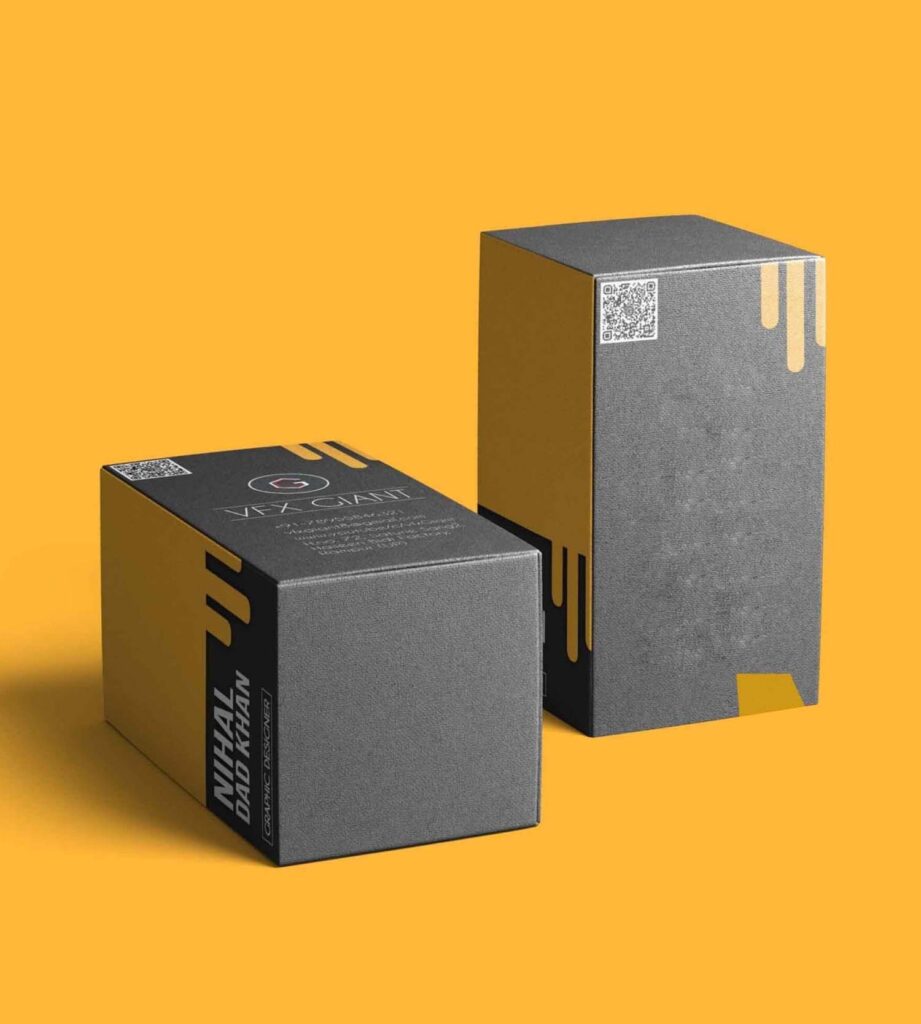
Best Printing and Finishing Techniques for Custom Jewelry Boxes

Jewelry is often associated with elegance, luxury, and emotional value, making packaging just as important as the product itself. Whether you’re selling rings, necklaces, bracelets, earrings, watches, or luxury accessories, custom jewelry boxes play a vital role in protecting valuable items while creating an unforgettable first impression. High-quality packaging enhances the perceived value of jewelry and reflects the craftsmanship and prestige of your brand.

In today’s competitive jewelry market, customers expect more than beautiful products—they also expect premium packaging that delivers an exceptional unboxing experience. A well-designed jewelry box not only protects delicate pieces from scratches and damage but also strengthens brand recognition through elegant printing, luxury finishes, and thoughtful presentation.

Modern custom jewelry boxes can be personalized with premium materials, velvet or foam inserts, sophisticated printing, foil stamping, embossing, magnetic closures, ribbons, and eco-friendly materials. Combining these features creates packaging that captures attention in retail stores, enhances online shopping experiences, and encourages repeat purchases.

This comprehensive guide explores the best printing and finishing techniques for custom jewelry boxes, along with material options, insert choices, sustainability practices, and design strategies that help luxury brands stand out.

Why Premium Jewelry Packaging Matters

Luxury packaging creates lasting impressions.

Custom jewelry boxes help businesses:

  • Protect valuable jewelry
  • Increase perceived product value
  • Strengthen brand identity
  • Enhance retail presentation
  • Build customer confidence
  • Create memorable unboxing experiences
  • Encourage repeat purchases

Premium packaging communicates quality before customers even open the box.

Best Materials for Custom Jewelry Boxes

Choosing the right material ensures durability and luxury presentation.

Rigid Paperboard

Benefits

  • Luxury appearance
  • Exceptional durability
  • Premium feel
  • Reusable

Ideal for high-end jewelry collections.

Premium Paperboard

Benefits

  • Smooth printing surface
  • Lightweight
  • Excellent print quality
  • Cost-effective

Perfect for retail jewelry packaging.

Kraft Paper

Benefits

  • Eco-friendly
  • Natural appearance
  • Recyclable
  • Strong construction

Suitable for sustainable jewelry brands.

Corrugated Cardboard

Benefits

  • Strong protection
  • Lightweight
  • Durable
  • Recyclable

Best for shipping jewelry safely.

Premium Insert Options

Protective inserts enhance both presentation and security.

Popular insert materials include:

  • Velvet inserts
  • EVA foam inserts
  • Satin fabric inserts
  • Suede inserts
  • Cardboard inserts

Custom inserts keep jewelry secure while adding a luxurious touch.

Best Printing Techniques for Custom Jewelry Boxes

Professional printing helps create elegant packaging that reflects your brand.

Offset Printing

Benefits

  • High-resolution graphics
  • Sharp text
  • Accurate color reproduction
  • Premium print quality

Ideal for luxury jewelry packaging with detailed artwork.

Digital Printing

Benefits

  • Fast turnaround
  • Personalized packaging
  • Excellent image quality
  • Perfect for short production runs

Ideal for limited-edition collections and seasonal promotions.

UV Printing

Benefits

  • Vibrant colors
  • Scratch-resistant finish
  • Long-lasting graphics
  • Premium appearance

Excellent for highlighting logos and decorative elements.

Pantone Color Matching

Benefits

  • Consistent brand colors
  • Accurate color reproduction
  • Professional branding
  • Uniform packaging across all product lines

Maintains brand consistency in every production run.

Luxury Finishing Techniques

Premium finishes elevate the appearance and feel of jewelry packaging.

Matte Lamination

Benefits

  • Elegant appearance
  • Smooth texture
  • Fingerprint resistance
  • Premium finish

Gloss Lamination

Benefits

  • Bright, reflective surface
  • Enhanced color vibrancy
  • Moisture resistance
  • Attractive presentation

Soft-Touch Coating

Benefits

  • Velvet-like texture
  • Luxury feel
  • Modern appearance
  • Premium customer experience

Spot UV

Benefits

  • Highlights logos and graphics
  • Creates visual contrast
  • Adds sophistication
  • Improves shelf appeal

Embossing

Benefits

  • Raised logo or design
  • Premium tactile effect
  • Elegant branding
  • Luxurious appearance

Debossing

Benefits

  • Recessed design
  • Subtle elegance
  • Premium branding
  • Timeless style

Foil Stamping

Popular foil colors include:

  • Gold foil
  • Silver foil
  • Rose gold foil
  • Holographic foil

Benefits

  • Luxury appearance
  • Eye-catching branding
  • Metallic shine
  • Enhanced perceived value

Build a Strong Brand Identity

Packaging should reinforce your brand’s luxury image.

Include:

  • Company logo
  • Brand colors
  • Jewelry collection name
  • Website
  • QR codes
  • Social media handles
  • Thank-you cards

Consistent branding helps customers recognize and remember your business.

Sustainable Jewelry Packaging

Luxury and sustainability can work together.

Eco-friendly options include:

  • Recycled paperboard
  • FSC-certified materials
  • Kraft paper
  • Soy-based inks
  • Water-based coatings
  • Plastic-free packaging where practical

Sustainable packaging appeals to environmentally conscious customers while supporting responsible business practices.

Design Tips for Premium Jewelry Boxes

Create packaging that reflects the quality of your jewelry.

Best practices include:

  • Keep the design elegant and uncluttered.
  • Use premium finishes sparingly for maximum impact.
  • Design inserts to fit each jewelry piece securely.
  • Choose colors that complement your brand.
  • Highlight your logo with embossing or foil stamping.
  • Create an enjoyable unboxing experience.
  • Balance luxury with functionality.

Thoughtful design enhances both presentation and customer satisfaction.

Common Mistakes to Avoid

Avoid these packaging mistakes:

  • Low-quality materials
  • Poor print resolution
  • Weak box construction
  • Generic branding
  • Overcrowded graphics
  • Missing protective inserts
  • Ignoring sustainability
  • Difficult-to-open packaging

Luxury jewelry deserves equally premium packaging.

Industries That Benefit from Custom Jewelry Boxes

Custom jewelry boxes are widely used by:

  • Jewelry brands
  • Watch manufacturers
  • Luxury accessory companies
  • Fashion retailers
  • Bridal jewelry businesses
  • Gift shops
  • Boutique stores
  • Online jewelry retailers
  • Handmade jewelry artisans
  • Premium subscription box companies

High-end packaging enhances customer perception across the jewelry industry.

Frequently Asked Questions

What are custom jewelry boxes?

Custom jewelry boxes are premium packaging solutions designed to protect jewelry while enhancing presentation through customized printing, luxury finishes, and personalized branding.

Why is premium jewelry packaging important?

It protects valuable items, increases perceived value, strengthens brand identity, and creates a memorable unboxing experience.

Which materials are best for jewelry boxes?

Rigid paperboard, premium paperboard, kraft paper, and corrugated cardboard are among the most popular materials.

Which inserts are commonly used?

Velvet, EVA foam, satin, suede, and custom cardboard inserts are widely used to protect and display jewelry.

Can jewelry boxes be fully customized?

Yes. Businesses can customize the size, shape, inserts, colors, printing, finishes, branding, and structural design.

Which printing methods are commonly used?

Offset printing, digital printing, UV printing, and Pantone color matching are commonly used for premium jewelry packaging.

What finishing options are available?

Matte lamination, gloss lamination, soft-touch coating, Spot UV, embossing, debossing, and foil stamping are among the most popular finishing techniques.

Are custom jewelry boxes environmentally friendly?

Many manufacturers offer recyclable paperboard, FSC-certified materials, kraft paper, soy-based inks, water-based coatings, and plastic-free packaging solutions.

Which businesses benefit from custom jewelry boxes?

Jewelry brands, watch companies, luxury accessory manufacturers, bridal boutiques, gift retailers, handmade jewelry artisans, and online jewelry stores all benefit from premium custom packaging.

How do I choose the right packaging manufacturer?

Choose a manufacturer that offers premium materials, precision-crafted inserts, advanced printing technology, luxury finishing options, sustainable packaging solutions, flexible customization, reliable production, and strict quality control.

Conclusion

Custom jewelry boxes are far more than protective packaging—they are an extension of your brand’s luxury identity. By combining premium materials, high-quality printing, elegant finishes, and custom inserts, businesses can create packaging that enhances product presentation, protects valuable jewelry, and delivers an unforgettable customer experience.

Whether you’re packaging rings, necklaces, bracelets, earrings, watches, or luxury accessories, investing in well- designed custom jewelry boxes helps increase perceived product value, strengthen brand recognition, and encourage customer loyalty. With thoughtful design, premium craftsmanship, and sustainable packaging options, custom jewelry boxes become a powerful marketing tool that supports long-term brand success.


A pair of reading glasses resting on an open book in a calm indoor setting, symbolizing the emotional acceptance of presbyopia and the message behind the blog “Reading Glasses Are Not Defeat.

Presbyopia: Reading Glasses Are Not Defeat

This blog is a continuation of my earlier blog, “Presbyopia: The Day I Realized My Eyes Were Quietly Changing.” In that article, I briefly discussed one small but emotional part of my experience – “Reading Glasses Are Not Defeat.” Later, I realized that topic itself carried a much deeper emotional story, especially for people in their thirties and forties who silently struggle with presbyopia but hesitate to accept it.

Because honestly, the problem is not always the eyes.

Sometimes, the real struggle happens inside the mind.

Why Young People Feel Ashamed of Reading Glasses

When people hear about reading glasses, they usually imagine elderly people reading newspapers with spectacles resting at the edge of their noses.

That image itself creates fear for younger people facing presbyopia.

When I started experiencing difficulty reading small letters, I never imagined I would need reading glasses so early. Somewhere inside my mind, wearing glasses felt like announcing to society:
“I am getting old.”

That thought disturbed me more than the blurry vision itself.

I know many youngsters who experience the same thing. They struggle to read messages, zoom phone screens continuously, or hold books farther away but still avoid spectacles because they fear judgment from others.

They think:

  • friends may tease them
  • relatives may say they became old
  • people may think their eyesight became weak
  • spectacles may affect personality or appearance

I had exactly the same feelings.

The Day the Eye Specialist Gave Me Glasses

As my presbyopia symptoms became more disturbing, I finally visited an eye specialist.

She checked my eyesight carefully and prescribed reading glasses. Then she said something very casually:
“Use it regularly for one or two weeks.”

For her, it was probably a simple medical suggestion.

But inside my mind, it felt like a major emotional decision.

I immediately made my own secret plan:
I would use the glasses only during work time.

Only during screen usage.

Never outside.

Never in front of people unnecessarily.

At that stage, my ego was still stronger than my comfort.

The Strange Hide and Seek with Letters

During that period, I struggled badly while reading books and newspapers.

The small blurry letters felt like they were playing hide and seek in front of my eyes.

Sometimes I adjusted the distance.
Sometimes I changed the lighting.
Sometimes I cleaned my eyes with water thinking tiredness was the problem.

Even during those uncomfortable moments, I avoided wearing my glasses for reading.

Why?

Because somewhere inside me, I feared my family members would think:
“My eyesight has become weak.”
“He is becoming old.”

Today, when I think about it, that fear sounds unnecessary. But at that time, it felt emotionally real.

That is the strange thing about presbyopia:
the emotional resistance often becomes stronger than the physical difficulty itself.

How Ego Creates More Eye Strain

After reading more about presbyopia and understanding the condition better, I slowly realized something important.

In the name of ego and unnecessary social fear, I was giving extra stress to my eyes every day.

Instead of helping my eyes, I was forcing them to struggle continuously.

The more I resisted glasses,

  • the more eye strain increased
  • the more headaches appeared
  • the more uncomfortable reading became

That realization changed my mindset completely.

I understood something simple:
Wearing glasses was not making my eyes weak.

Ignoring the problem was creating more discomfort.

The day I emotionally accepted that truth, I started wearing my glasses more naturally.

And honestly, life immediately became easier.

Reading Glasses Are Not Weakness

One dangerous misunderstanding still exists among many people.

They believe:
“If I start using reading glasses once, then I can never live without them.”

This fear prevents many people from getting proper help.

But reading glasses are not an addiction.

They are supportive.

They simply help the eyes focus more comfortably after the natural lens inside the eye loses flexibility with age.

In fact, struggling continuously without proper correction often creates more stress and frustration.

We never feel ashamed about using:

  • proper lighting
  • supportive chairs
  • comfortable shoes

Then why should we feel ashamed about helping our eyes see comfortably?

My Mother’s Experience Changed My Thinking

One of the biggest lessons came from my mother’s life.

I know her as a passionate reader. She loves:

  • books
  • newspapers
  • magazines

Reading was part of her daily happiness.

But during her forties, she also started suffering from presbyopia.

At that time, someone advised her something completely wrong:

don’t wear glasses
don’t force reading
presbyopia will automatically cure later
if glasses are used once, they become permanent forever

Believing that advice, she reduced reading slowly.

That period disappointed her deeply.

A person who genuinely loved reading suddenly stopped enjoying one of her favorite activities because of fear and misinformation.

Later, when I understood her struggle, I took her to an eye specialist.

She started wearing proper reading glasses.

Honestly, it became a small revolution in her life.

She returned to:

  • reading books
  • newspapers
  • magazines

More importantly, she returned to her favorite work – tailoring.

Today, she spends more time sewing comfortably and even earns money through her work.

That simple pair of spectacles gave back a part of her old lifestyle.

The Sewing Machine Moment That Hurt Me Emotionally

An interesting emotional moment connected both our lives together.

In my earlier blog, Presbyopia: The Day I Realized My Eyes Were Quietly Changing, I wrote about “The Sewing Machine Moment That Hurt Me Emotionally named part.”

That moment became unforgettable for me.

Earlier, I could easily help my mother thread the sewing machine needle. But during my own presbyopia stage, I suddenly struggled to see the tiny needle hole clearly.

Meanwhile, my mother calmly wore her glasses and completed the task within seconds.

The irony was painful.

I was the person who once encouraged my mother to accept spectacles without shame.

But when the same situation entered my own life, I became trapped inside the same ego, doubt, and fear.

That experience taught me how difficult self-acceptance can be sometimes.

Modern Lifestyle Makes Presbyopia More Visible

I also believe our generation experiences presbyopia differently because of digital life.

Today, we constantly use:

  • smartphones
  • laptops
  • tablets
  • televisions

Our eyes rarely rest.

Tiny app fonts, low brightness screens, and continuous close focusing make near-vision problems feel stronger than before.

Sometimes I used to take screenshots only to zoom and read clearly.

At first, I thought this was normal for everyone.

Later, I realized many people around me were reading comfortably while I was struggling silently.

Modern screens may not directly “destroy” eyesight, but they definitely make presbyopia more noticeable in daily life.

Natural Alternatives Instead of Reading Glasses

Many people ask:
“Is there any natural option instead of glasses?”

From my understanding and experience, some habits can definitely reduce strain and improve comfort:

  • better sleep
  • proper lighting
  • reducing excessive screen time
  • taking eye breaks
  • blinking more during screen use
  • healthy diet
  • outdoor activity

Some people also practice eye relaxation exercises and reduce continuous near-focus pressure.

These habits help eye comfort significantly.

But personally, I understood one important thing:
There is a difference between supporting eye health and denying reality.

Healthy habits are excellent.

But if the eyes genuinely need support for comfortable reading, there is no shame in using glasses.

One Big Lesson I Learned About Life

One important lesson changed my thinking completely.

We must understand ourselves honestly.

When our body becomes weaker in some area, we should not punish it with ego.

We should care for it more carefully.

For example:

when health becomes poor, we improve diet
when body becomes weak, we start exercise
when stress increases, we seek rest

Then why should eyes be treated differently?

Eyes also deserve:

  • care
  • support
  • rest
  • proper attention

Once I started caring for my eyes instead of emotionally fighting reality, life became more peaceful.

Acceptance Is More Powerful Than Ego

Today, I no longer feel ashamed wearing reading glasses.

In fact, I feel more frustrated remembering how much unnecessary struggle I created because of simple social fear.

Presbyopia did not make me weak.

It simply reminded me that the body changes with time.

And honestly, there is maturity in accepting that naturally.

Many people silently suffer because they fear judgment from society. But the truth is:
Most people are too busy dealing with their own insecurities to seriously judge someone wearing spectacles.

The real freedom comes when comfort becomes more important than ego.

Reading Glasses Gave Back More Than Vision

At first, I thought spectacles would symbolize aging.

But later, I realized they actually gave back:

  • comfort
  • confidence
  • reading happiness
  • eye relaxation
  • mental peace

Most importantly, they removed the daily frustration of struggling with tiny letters constantly.

Today, I understand something very clearly:

Reading glasses are not defeat.

Defeat is ignoring reality, stressing the eyes unnecessarily, and losing comfort because of fear and ego.

Sometimes maturity begins the moment we stop fighting natural changes and start supporting ourselves with kindness instead.

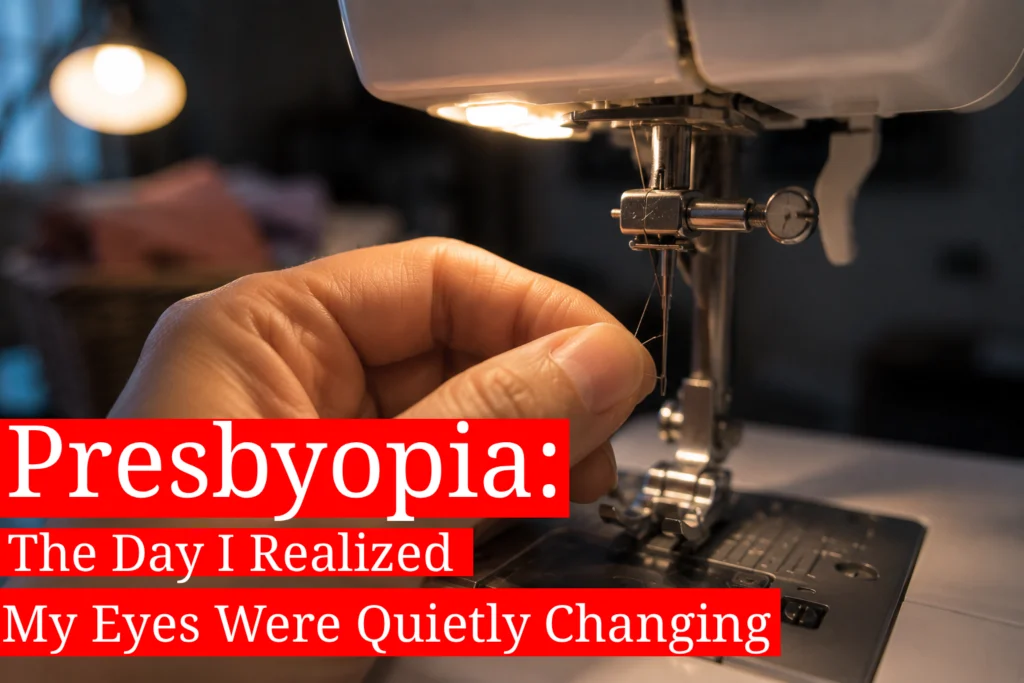
Presbyopia and Near Vision Difficulty While Threading a Sewing Machine

Presbyopia: The Day I Realized My Eyes Were Quietly Changing

There was a time when I could read anything without effort. Tiny letters on medicine covers, small fonts in newspapers, messages on my phone in low light – everything felt easy. I never thought about my eyes because they simply worked. But somewhere after my mid-thirties, I started noticing something strange.

I was holding my phone a little farther away.

At first, I ignored it. I thought maybe my eyes were tired after work or because I spent too much time on the computer. But slowly, that small habit became part of my daily life. Reading WhatsApp messages became easier only when I increased the font size. Book letters started looking crowded. Restaurant menus felt uncomfortable in dim light. I realized something had changed.

That was my first real experience with presbyopia.

The Funny Beginning Nobody Talks About

Most people think eye problems come suddenly, but presbyopia enters life very quietly. You don’t wake up one morning blind to small letters. It happens slowly. One day you stretch your arm a little more while reading. Another day you switch on brighter lights to read comfortably. Later, you start zooming in every document on your phone or laptop.

At first, I blamed mobile phones.

Like many people, I believed excessive screen use had weakened my eyesight completely. I thought years of staring at computers and phones had damaged my eyes forever. But after reading more and talking to others around my age, I understood something important – this happens naturally to almost everyone.

Some notice it at 38. Some at 42. Some even earlier.

The eye’s natural lens slowly loses flexibility with age. That flexibility is what helps us focus on nearby objects. When we are young, the eye adjusts quickly. As age increases, that focusing ability becomes weaker.

That is presbyopia.

When Screenshot Zoom Became My Reading Glass

One habit slowly became part of my daily life without me even noticing it.

Whenever I receive a document, poster, or small text image on my phone, I first take a screenshot of it. Then I zoom into the screenshot to read comfortably. Earlier, I could simply open and read things directly. Now, small text inside posters, advertisements, or PDF files often feels difficult unless I enlarge it.

At first, I thought maybe mobile designers were making fonts too tiny. But later I realized other people around me were reading the same thing comfortably while I was struggling.

That small habit – screenshotting just to zoom and read – became one of the clearest signs that my near vision had changed.


The Sewing Machine Moment That Hurt Me Emotionally

One moment affected me more than anything else.

My mother has a sewing machine at home. Earlier, whenever she needed help, I could easily put the thread into the needle. It was such a simple thing that I never even thought about it.

But nowadays, I struggle to do it.

I try once… twice… three times… and the tiny needle hole refuses to become clear. Sometimes I move the thread farther away, sometimes closer. I even blamed the room lighting and thought our bulb was too dim.

Meanwhile, my mother calmly wears her regular glasses and does it easily within seconds.

That moment honestly disappointed me emotionally.

Not because of the sewing machine itself, but because it made me realize that the problem was no longer the light, the thread, or the needle. The real issue was my eyes changing with age.

It was probably the first time I truly accepted that presbyopia had entered my life.

Modern Life Makes Us Notice It Earlier

Even though presbyopia is natural, I still believe modern digital life makes the symptoms feel stronger.

Years ago, people didn’t spend ten or twelve hours looking at close objects. Today, our eyes continuously focus on:

  • mobile screens
  • laptops
  • tablets
  • smart watches
  • televisions
  • small text notifications

Our eyes rarely get rest.

After a full day of screen work, I could feel heaviness around my eyes. Sometimes the letters became slightly blurry for a few seconds before becoming clear again. During night time, reading became even harder.

I don’t think phones directly “destroy” eyesight the way people fear, but they definitely increase eye strain and make us realize our focusing problems much earlier.

In earlier generations, maybe people noticed presbyopia only while reading newspapers. Today, we notice it every ten minutes because our entire life happens through screens.

The Emotional Side Nobody Mentions

What surprised me most was not the reading difficulty itself. It was the emotional feeling behind it.

Presbyopia quietly reminds you that your body is changing.

When you are young, your body feels automatic. You don’t think about joints, digestion, sleep quality, or eye focus. But after thirty-five, small changes begin appearing one by one. Presbyopia becomes one of those early reminders that time is moving.

The first time I increased the font size on my phone permanently, I felt strange. It sounds funny, but it honestly felt like crossing into another phase of life.

Then I noticed my friends doing the same thing.

One friend started using reading glasses in restaurants. Another began zooming every PDF file during office work. Someone else complained that medicine labels had become impossible to read.

That’s when I understood – this is not a personal weakness. It is a shared human experience.

Why Small Letters Became My Enemy

The most frustrating part of presbyopia is not blindness. It is inconsistency.

Some days my eyes feel perfectly normal. Other days, especially after long screen use, small letters become tiring within minutes.

Low light became my biggest enemy.

Earlier, I could read comfortably in dim rooms. Now I automatically search for brighter lighting. I also noticed that sleep affects eye comfort. If I sleep poorly, reading becomes harder the next day.

Another interesting thing is distance.

If the phone is too close, letters blur slightly. When I move it farther away, clarity improves. That small movement became automatic without me realizing it.

This is probably the most common sign of presbyopia:
holding things farther away to read clearly.

Reading Glasses Are Not Defeat

At first, I resisted the idea of reading glasses.

I thought:
“If I start using glasses now, my eyes will become weaker.”

Many people believe this, but I slowly learned that reading glasses are not making the eyes lazy. They are simply reducing strain.

Using proper glasses is similar to using proper lighting while reading. They help the eyes work comfortably instead of struggling continuously.

Once I accepted that idea, my mindset changed. In fact, that realization later inspired me to write my detailed blog, Presbyopia: Reading Glasses Are Not Defeat, because I understood the real struggle was not only about vision – it was also about ego, fear, and accepting natural changes in life.

There is nothing embarrassing about needing help for near vision after forty. In fact, millions of people experience exactly the same thing. Some just hide it better than others.

Now I understand why many older people carry glasses everywhere:

  • in pockets
  • on office tables
  • inside cars
  • near beds

It is not fashion. It is survival.

How Presbyopia Changed My Screen Habits

One good thing happened because of this experience: I became more conscious about eye care.

Earlier, I could spend hours continuously looking at screens without a break. Now my eyes force me to pause. Surprisingly, that improved my overall comfort.

I started following simple habits:

  • increasing font sizes
  • reducing brightness at night
  • taking short breaks
  • blinking more often
  • avoiding unnecessary screen scrolling
  • keeping proper distance from monitors

I also discovered that dry eyes play a major role. Continuous screen use reduces blinking, which creates irritation and fatigue. Sometimes the problem is not vision power itself but dryness and eye strain together.

Now I understand why older people often prefer printed books over phone reading. Paper feels softer and less aggressive to the eyes compared to bright digital screens.

The Biggest Mistake People Make

Many people panic when they notice presbyopia symptoms.

They immediately think:

“My eyesight is getting destroyed.”
“Mobile phones ruined my eyes.”
“Soon I won’t see properly.”

But presbyopia is not blindness.

It is a normal age-related focusing change.

Of course, proper eye checkups are important because sometimes other conditions like astigmatism or dryness can exist together. But simple near-vision difficulty after the late thirties is extremely common.

The real problem is not presbyopia itself.

The real problem is how modern life demands constant near focus every single day.

Humans were not designed to stare at glowing rectangles for fourteen hours daily.

What I Learned About Aging

Presbyopia taught me something bigger than eye health.

Aging does not happen suddenly. It arrives through small adjustments.

One day you need brighter light.
One day you stretch your arm farther.
One day you increase font size.
One day you buy reading glasses.

Life continues normally, but tiny changes slowly rewrite daily routines.

Instead of fearing these changes, I think acceptance makes life easier.

Our parents experienced this.
Their parents experienced it.
We are simply reaching the same stage.

The difference is that our generation experiences it through smartphones and computer screens instead of newspapers and books.

Can Presbyopia Be Cured After Some Age?

This is a question many people silently ask themselves.

I also wondered:
“Will my eyes become normal again later?”

From what I understand, presbyopia usually does not completely reverse naturally because it happens due to age-related stiffening of the eye’s natural lens. As age increases, the lens loses flexibility little by little.

That means the focusing difficulty may slowly continue over time.

But the positive side is this:
People adapt very well to it.

Some use reading glasses.
Some increase screen sizes.
Some use proper lighting.
Some choose progressive lenses.

After a while, these adjustments become part of normal life, and people stop thinking about it constantly.

So maybe the real “cure” is not becoming twenty years old again- it is learning how to live comfortably with changing eyes without fear or frustration.

The Day I Stopped Blaming the Screen and Started Understanding My Eyes

Today, I no longer feel worried when I zoom text or increase font size. I don’t consider it a weakness anymore. It is simply adaptation.

Presbyopia is not the end of sharp vision. It is just the beginning of understanding our eyes differently.

In fact, this condition taught me to respect my body more.

  • rest matters
  • lighting matters
  • screen habits matter
  • sleep matters
  • eye care matters

Most importantly, I learned that growing older is not about losing ability. It is about learning new ways to stay comfortable.

So if you are in your late thirties or forties and suddenly struggling with small letters, welcome to the club. You are not alone.

Your eyes are not failing.

They are simply changing with time – just like the rest of life.

Sobha Crescent Sector 63A: The New Standard of Luxury on Golf Course Extension Road

The skyline of Gurgaon is shifting once again, and this time, it’s toward a more refined, low-density way of living. Sobha Crescent, the latest landmark by Sobha Limited in Sector 63A, is not just another high-rise; it’s a masterclass in architectural precision and lifestyle curation.

If you’ve been searching for a home that balances the pulse of the city with the serenity of the Aravallis, here is why Sobha Crescent is capturing the attention of the city’s most discerning homebuyers.

1. Low-Density Living, High-Velocity Luxury

In a city where space is the ultimate luxury, Sobha Crescent stands apart. Spread across nearly 12 acres, the project is designed with an emphasis on openness.

  • The “Corner Home” Advantage: Every single residence is a corner apartment. This means no shared walls with neighbors, 270-degree panoramic views, and three-wall ventilation that keeps your home naturally bright and airy.
  • Privacy by Design: With only four residences per floor, the towers offer a level of exclusivity that is rare in modern high-rise developments.

2. A Landmark Address: Sector 63A

Location is the heartbeat of real estate, and Sector 63A is currently one of Gurgaon’s most promising corridors. Situated right on the Golf Course Extension Road, Sobha Crescent offers a “best of both worlds” connectivity profile:

Destination Travel Time (Approx.)
Golf Course Road 5–10 Minutes
Sohna Road 8–10 Minutes
Cyber City 20–25 Minutes
IGI Airport 30–35 Minutes

The proximity to major corporate hubs like Tata Intellion Park and Cyber City makes it an ideal choice for high-net-worth professionals who value a short commute without compromising on a peaceful residential environment.

3. World-Class Amenities & Wellness

Sobha is known for its “backward integration” model—meaning they control every aspect of construction quality. This excellence extends to the lifestyle amenities at the Crescent:

  • The Clubhouse: A massive 1 Lakh sq. ft. luxury clubhouse featuring a private mini-theatre, co-working lounges, and a Japanese-style Onsen pool for therapeutic relaxation.
  • The Sports Zone: A dedicated 4-acre sports complex featuring an Olympic-size swimming pool, professional-grade courts, and jogging trails.
  • Green Cover: Over 80% open green space including a “Restoration Forest,” bamboo groves, and themed zen gardens.

4. Investment Potential

With RERA registration (GGM/1054/786/2026) and a possession timeline aimed toward 2031, Sobha Crescent is a strong play for long-term capital appreciation. Sector 63A has seen steady price growth, and with the upcoming Metro extension and proximity to the Delhi-Mumbai Expressway, the infrastructure tailwinds are significant.

Specifications at a Glance:

  • Configurations: Ultra-luxury 3 BHK & 4 BHK + Utility residences.
  • Sizes: Ranging from ~2,277 sq. ft. to 3,000 sq. ft.
  • Price: Starting from ₹5.75 Cr* onwards.

Final Thoughts

Sobha Crescent isn’t just about owning a piece of real estate; it’s about claiming a lifestyle where the Aravalli views meet world-class craftsmanship. For those who refuse to settle for the ordinary, the “Crescent” is where your search ends.

5 Common Walking Problems (Blisters, Arch Pain, Swelling) and the Right Shoes to Fix Them

Walking is one of the simplest, healthiest, and most relaxing activities a person can do. It requires no special equipment and fits easily into daily life. But for many, walking is far from pain-free. Blisters, arch pain, swelling, plantar fasciitis, and fatigue can turn an enjoyable walk into a frustrating experience.

The culprit behind these problems is often the shoes you wear. Your feet often hurt after a long walk, but comfortable walking shoes can help relieve that pain. The right footwear doesn’t just make walking enjoyable, it protects your health and prevents long-term problems.

In this blog, we’ll explore the five most common walking problems, the shoes that help solve them, and answer key questions about finding the most comfortable footwear for your lifestyle.

Common Walking Problems and How Shoes Solve Them

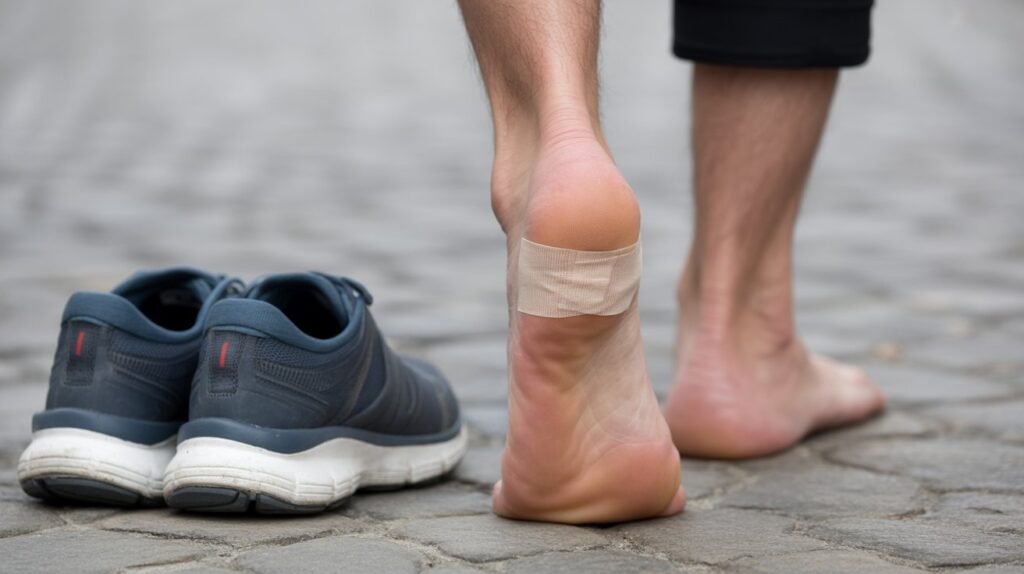
1. Blisters from Poorly Fitted Shoes

Blisters happen when your shoes rub against your skin repeatedly. Tight shoes or shoes made with non-breathable materials trap sweat and friction, leading to painful blisters.

The Solution: Look for walking trainers or casual shoes with:

  • Breathable fabrics like mesh
  • Cushioned collars to prevent rubbing
  • Moisture-wicking insoles

These features keep your feet dry and reduce friction. Shoes designed for travel and long wear are especially effective at preventing blisters.

2. Arch Pain and Flat Feet

Arch pain often affects people with flat feet or low arches. Without proper support, the foot muscles and ligaments are overstressed, leading to pain across the midfoot and sometimes even the knees and hips.

The Solution:

  • Orthopedic shoes are designed with structured arch support.
  • Asics Gel shoes and other cushioned walking shoes offer extra shock absorption.
  • Insoles with firm arch support can also help distribute pressure evenly.
  • These solutions restore alignment and prevent excessive strain.

3. Plantar Fasciitis (Heel Pain)

Plantar fasciitis is one of the most common causes of foot pain. It happens when the band of tissue connecting your heel to your toes becomes inflamed. Sharp heel pain, especially in the morning, is the biggest sign.

The Solution:

  • Running shoes with cushioned heels reduce impact.
  • Orthopedic walking shoes provide both arch and heel support.
  • Shoes with firm midsoles prevent excessive flexing that worsens inflammation.
  • Comfortable walking shoes ensure you can walk without aggravating the plantar fascia.

4. Swelling from Long Walks or Travel

Swollen feet are common during long-distance walking or traveling. Poor circulation and shoes without flexibility cause discomfort and fatigue.

The Solution:

  • Travel shoes with lightweight materials and stretchable uppers allow better circulation.
  • Walking trainers with cushioned midsoles help absorb impact.
  • Flexible outsoles prevent feet from feeling restricted.

By allowing natural movement, these shoes reduce swelling and keep you comfortable for longer walks.

5. General Fatigue and Lack of Support

Walking in unsupportive shoes like flip-flops, worn-out sneakers, or casual loafers often results in fatigue and joint pain. Over time, this stress affects your back and posture as well.

The Solution:

  • The most comfortable walking shoes have cushioned midsoles, shock absorption, and proper arch support.
  • For active walkers, walking and running shoes are best for daily use, as they are engineered to reduce stress on feet and joints.
  • Hiking shoes are ideal for rough terrain where stability is crucial.
  • Supportive footwear reduces fatigue and lets you walk with confidence.


Choosing the Right Walking Shoe for You

When it comes to walking shoes, comfort is not just a luxury, it’s a necessity. Here are a few pointers:

  • For long daily walks: Opt for walking trainers or running shoes.
  • For outdoor adventures: Choose durable hiking shoes with strong grip.
  • For office or casual wear: Casual shoes designed with ergonomic insoles provide style and comfort.
  • For medical needs: Orthopedic shoes are best for plantar fasciitis and flat feet.
  • For travel: Travel shoes with lightweight, breathable material are the perfect choice.

Frequently Asked Questions About Comfortable Walking Shoes

What makes a shoe comfortable for walking?

Cushioning, proper arch support, a secure fit, and breathable materials.

Can walking shoes help with foot pain?

Yes. The right shoes reduce stress on joints, prevent plantar fasciitis, and support flat feet.

Why is it important to wear comfortable shoes?

Uncomfortable shoes can lead to blisters, swelling, back pain, and long-term posture issues.

Which type of shoes is best for walking?

Walking trainers, orthopedic shoes, or running shoes with cushioning and arch support.

How important are good walking shoes?

They are crucial for injury prevention, posture correction, and endurance.

Which is more comfortable, sneakers or shoes?

Sneakers like walking trainers or running shoes usually provide better cushioning than casual shoes.

How can footwear affect health?

The wrong footwear can lead to foot pain, poor posture, and circulation issues.

What is the difference between walking shoes and normal shoes?

Walking shoes are designed with shock absorption, arch support, and flexibility. Normal shoes focus on style rather than comfort.

How long should you wear walking shoes?

Replace them after 500–800 km of walking or when the cushioning wears out.

Is it healthier to walk without shoes?

Barefoot walking strengthens muscles but risks injury on hard or rough surfaces.

Do shoes make a difference in walking?

Absolutely. They absorb shock, prevent pain, and improve endurance.

What are the disadvantages of walking barefoot?

Risk of cuts, infections, and stress on arches.

How do I choose the right walking shoe?

Check for arch support, cushioning, sole flexibility, and proper fit.

What are orthopedic shoes?

Specially designed shoes that support flat feet, plantar fasciitis, and other foot issues.

Is it necessary to wear shoes while walking?

Yes, for long walks or outdoors, shoes protect against injury and reduce fatigue.

Walk with Confidence

Walking should energize, not exhaust. But without the right shoes, common problems like blisters, swelling, or plantar fasciitis can make every step uncomfortable. The right footwear ensures proper support, prevents injuries, and keeps your stride pain-free.

From orthopedic shoes for plantar fasciitis to Asics Gel walking trainers and lightweight travel shoes, there’s a perfect shoe for every lifestyle. And remember walking and running shoes are best for daily use, giving you comfort, durability, and support in every step.

Don’t let foot pain hold you back. Choose the most comfortable walking shoes designed to keep your feet healthy and your walks enjoyable.

The Role of Breathable Fabrics in Designing Comfortable Walking Shoes for Men

Choosing the proper footwear is crucial to remaining comfortable, particularly in places with warmer weather. This, in turn, can affect the overall day-to-day activities of an individual. Although it may seem that any sneaker or athletic shoe can be used as walking shoes, the truth is that footwear created with breathable materials provides a better walking experience in terms of comfort. This article discusses the essence of breathable textiles in men’s walking shoes and what features one should consider to have a comfortable pair of walking shoes that lasts.

What Makes Walking Shoes Different

Walking shoes are created with specific characteristics that make them unique from other sports or casual shoes. Their manufacturing process is aimed at creating stability, reliable support, and long-lasting comfort when used over a prolonged period of time. Unlike typical shoes, those crafted specifically for walking address the repetitive motion of each step while protecting feet from friction and heat build-up.

The Value of Breathable Fabrics

Breathable fabrics are lightweight materials engineered to let air move freely around the foot, minimizing sweat and dissipating heat. During a long walk, feet are prone to perspiring. If moisture is trapped, it can lead to discomfort and even cause blisters. No one enjoys the feeling of overheated or damp feet after a day of activity. These are some advantages of breathable fabrics:

  • Keeping feet consistently dry
  • Reduce skin irritation
  • Allowing feet to feel cooler even on the hottest days
  • Minimize internal moisture
  • Increase durability

Choosing comfortable walking shoes for men or women with breathable materials ensures a more pleasant walking experience, especially in warmer climates.

Essential Features of Comfortable Walking Shoes

Selecting the best walking shoes means looking beyond outward appearance. Focus should be given to features that genuinely enhance comfort and safety, such as:

Stability: Shoes should retain their shape without twisting easily, supporting each step and preventing potential injuries.

Breathable Upper Materials: Mesh and other breathable materials provide continuous airflow, which is essential for comfort in the summer.

Balanced Cushioning: Soles should provide even, soft cushioning as well as support.

Secure and Comfortable Fit: It is important to fit the shoe size correctly to avoid slipping off or too much pressure on toes and heels.

Reliable Grip: Non-slip soles offer enhanced traction and safety, whether walking indoors or outdoors.


The Everyday Benefits

With breathable walking shoes, every walk feels easier and more enjoyable. Your feet stay dry, you avoid unwanted smells, and it’s much less likely you’ll ever end the day with tired, sore feet. Here’s why this matters:

  • No more sticky or sweaty feet after a day out.
  • Fewer worries about foot odour or shoe damage from trapped moisture.
  • Less risk of injury due to supportive construction.


Conclusion

Investing in walking shoes crafted with breathable fabrics and thoughtful cushioning provides clear benefits, such as staying cool, dry, and comfortable during every walk. By focusing on these important features, anyone can enjoy greater support and reliability throughout their daily activities.

Ready to experience the difference for yourself? Explore the full collection of GADZ Walking Shoes and find the perfect pair today by visiting our website at https://gadzsports.com/collections/.